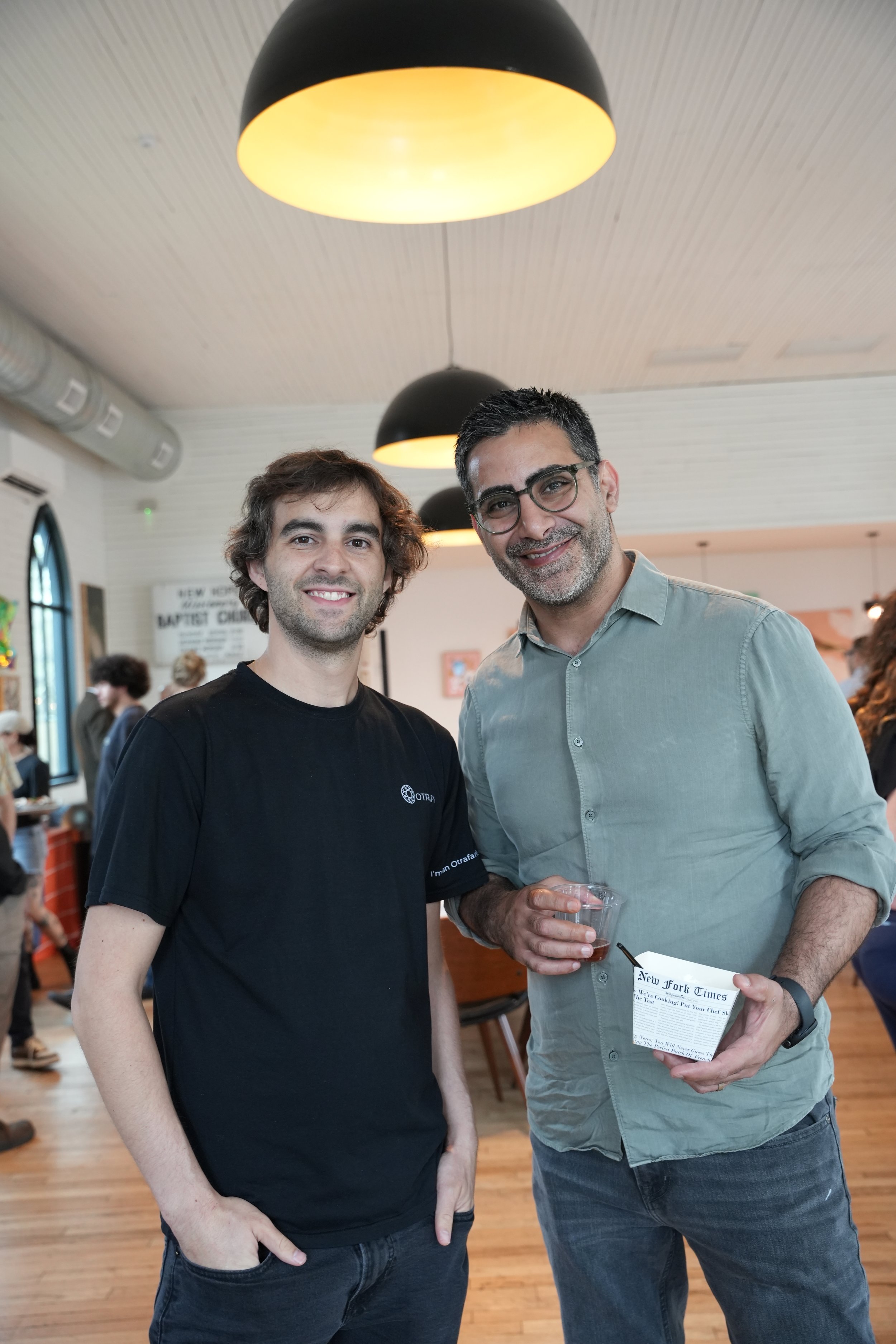
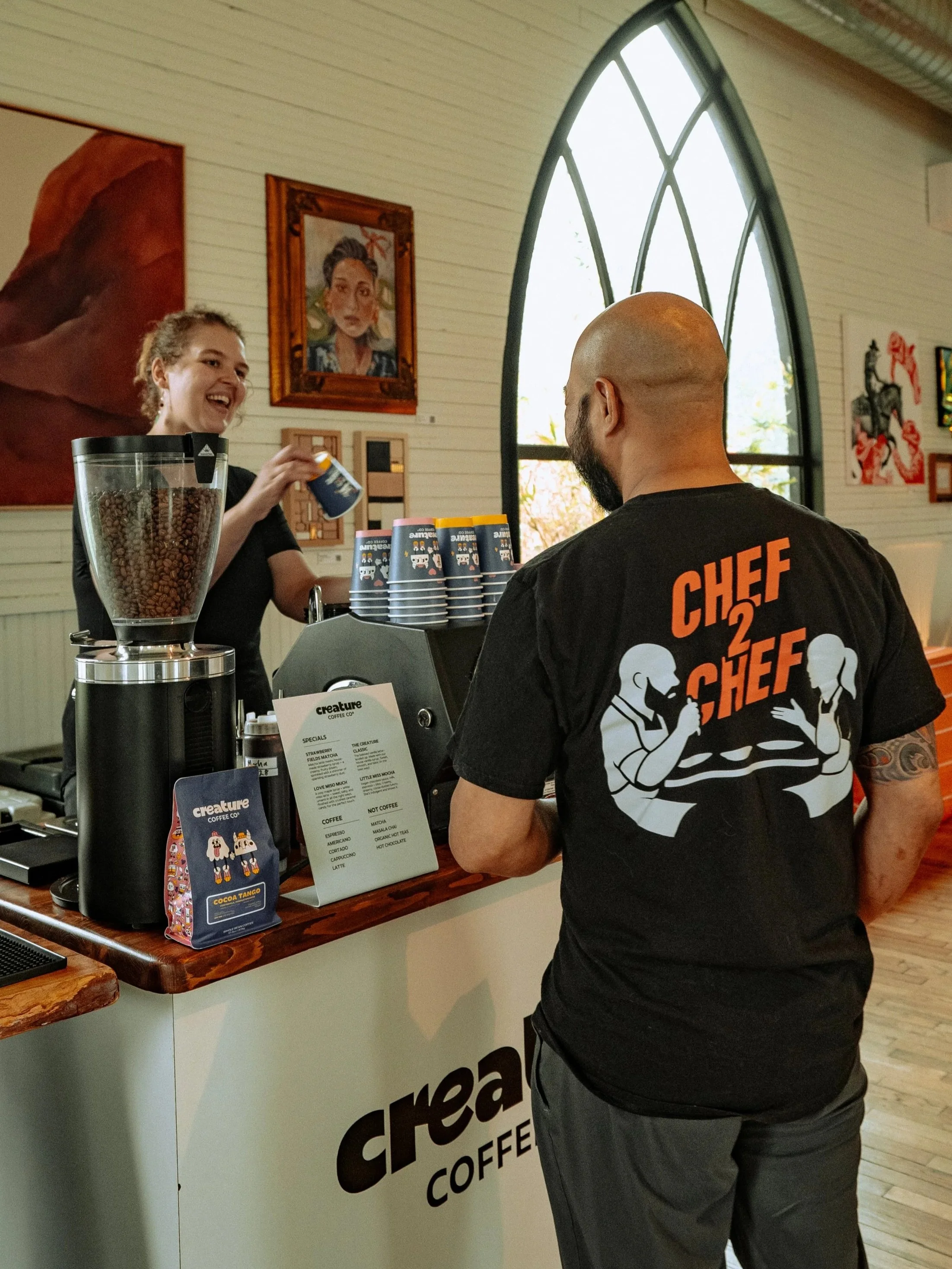
Topi Topics Austin: Where Food, AI, and Culture Collided Before SXSW
“Data and information are useless. Insight and action are useful.”
Eli Feldman said that on Tuesday, March 10 at Topi Topics: The Breakthroughs in Austin, just before SXSW began, and the line stayed with me.
It captured something everyone in the room understood immediately: restaurants already have plenty of data. The real challenge is turning it into decisions operators can actually act on.
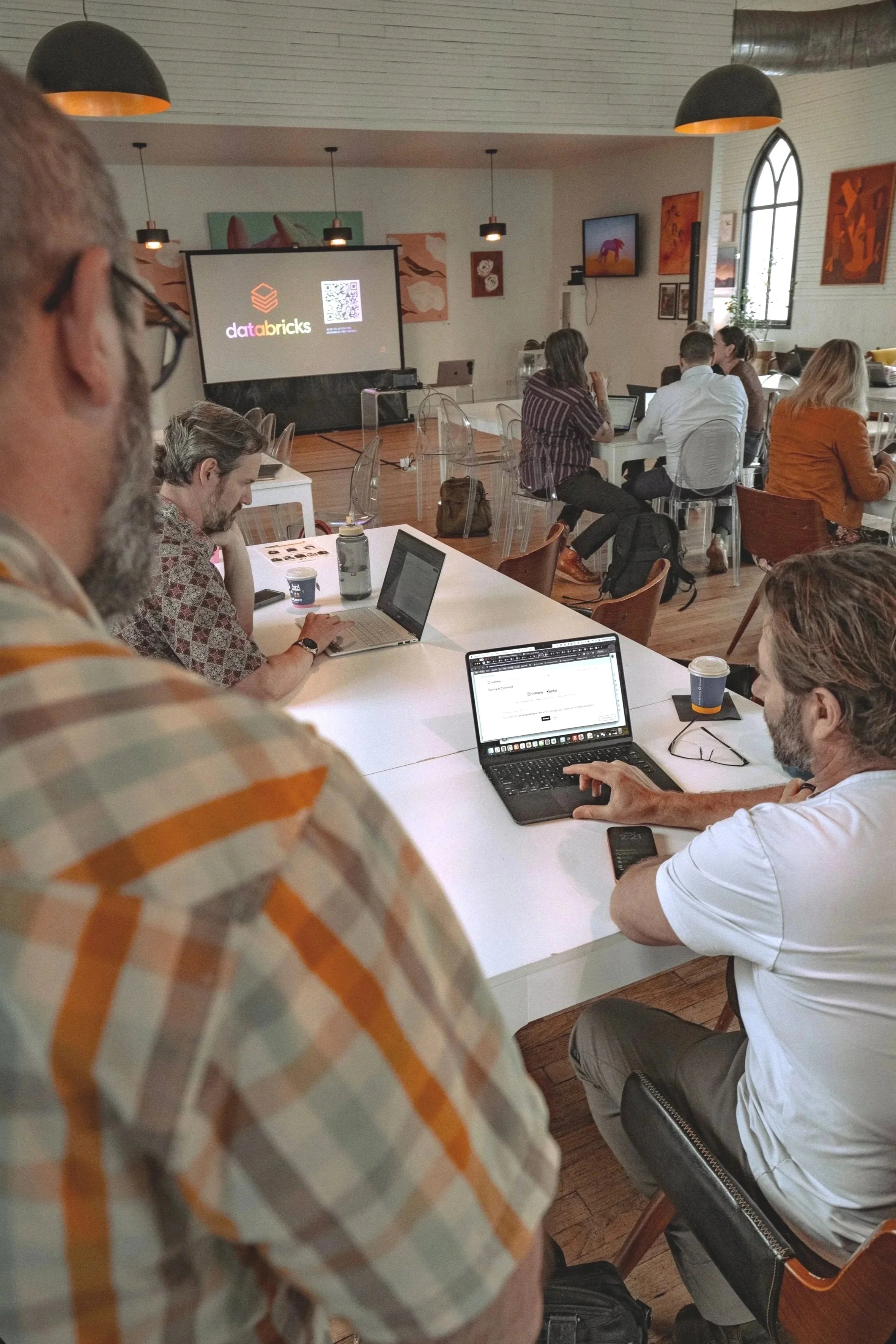
Before anything else, thank you to Databricks for Startups for supporting the workshop portion of Topi Topics and helping make these gatherings possible. Their team has been generous about making powerful tools accessible to operators and founders—not just large enterprises.
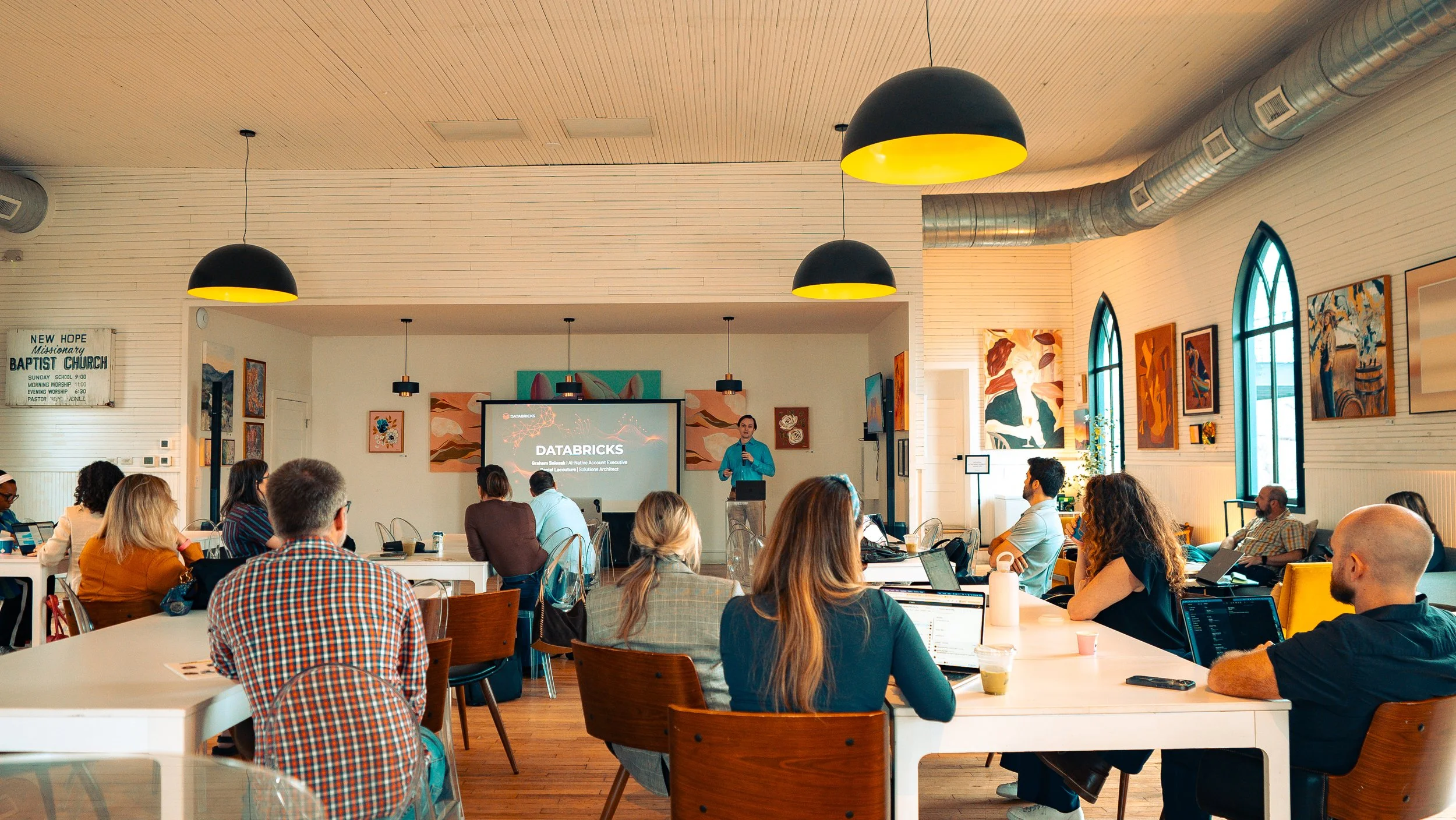
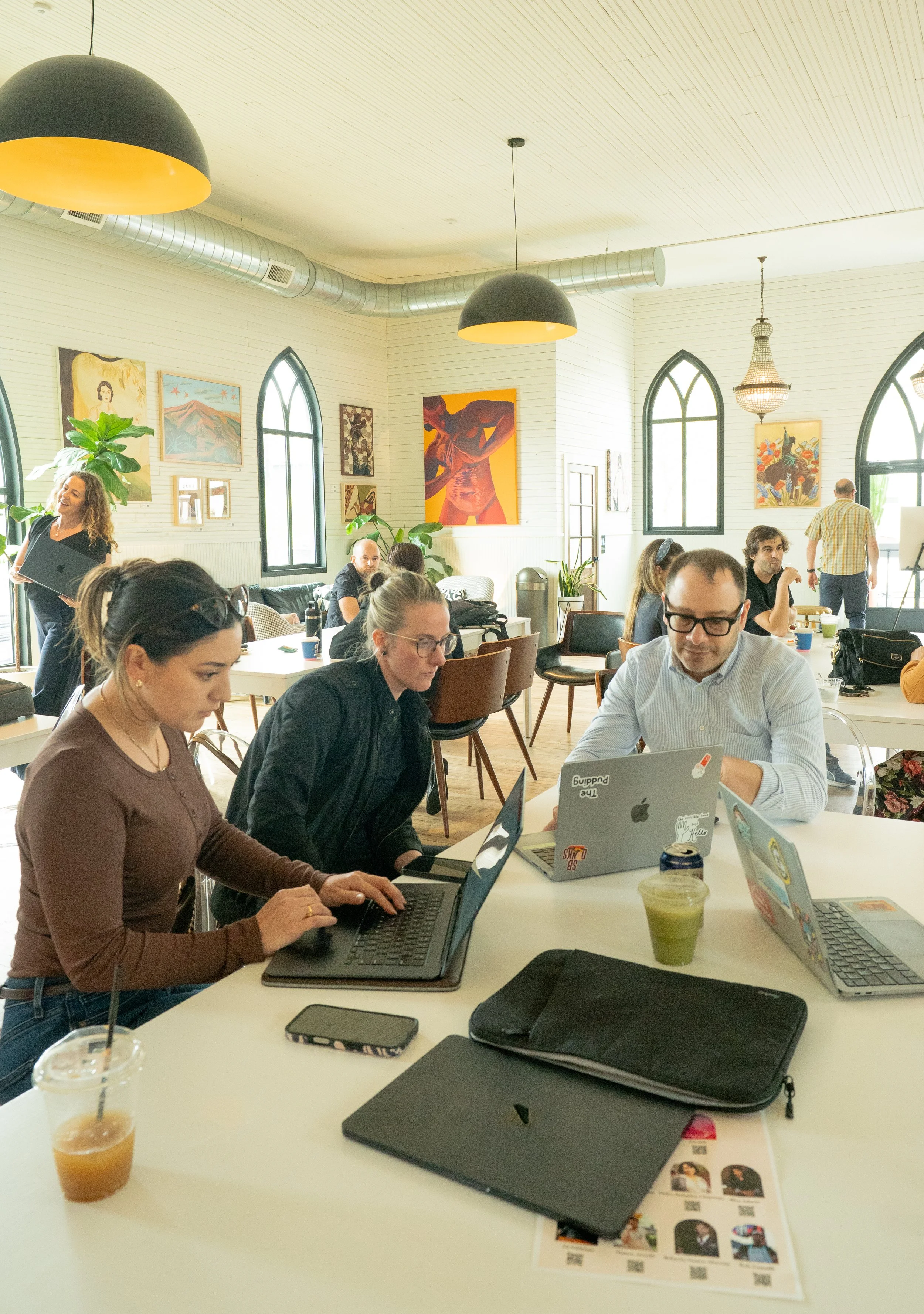
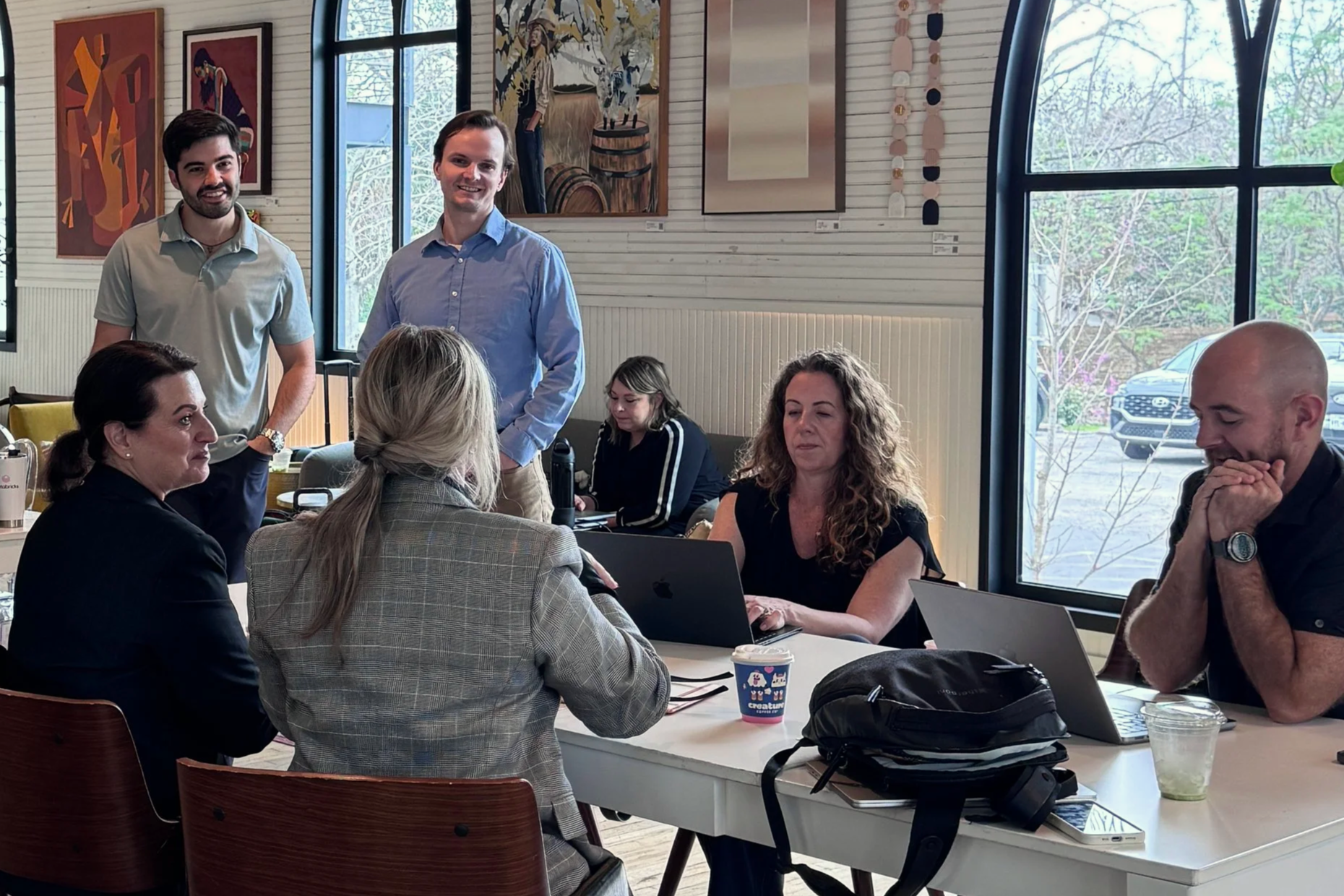
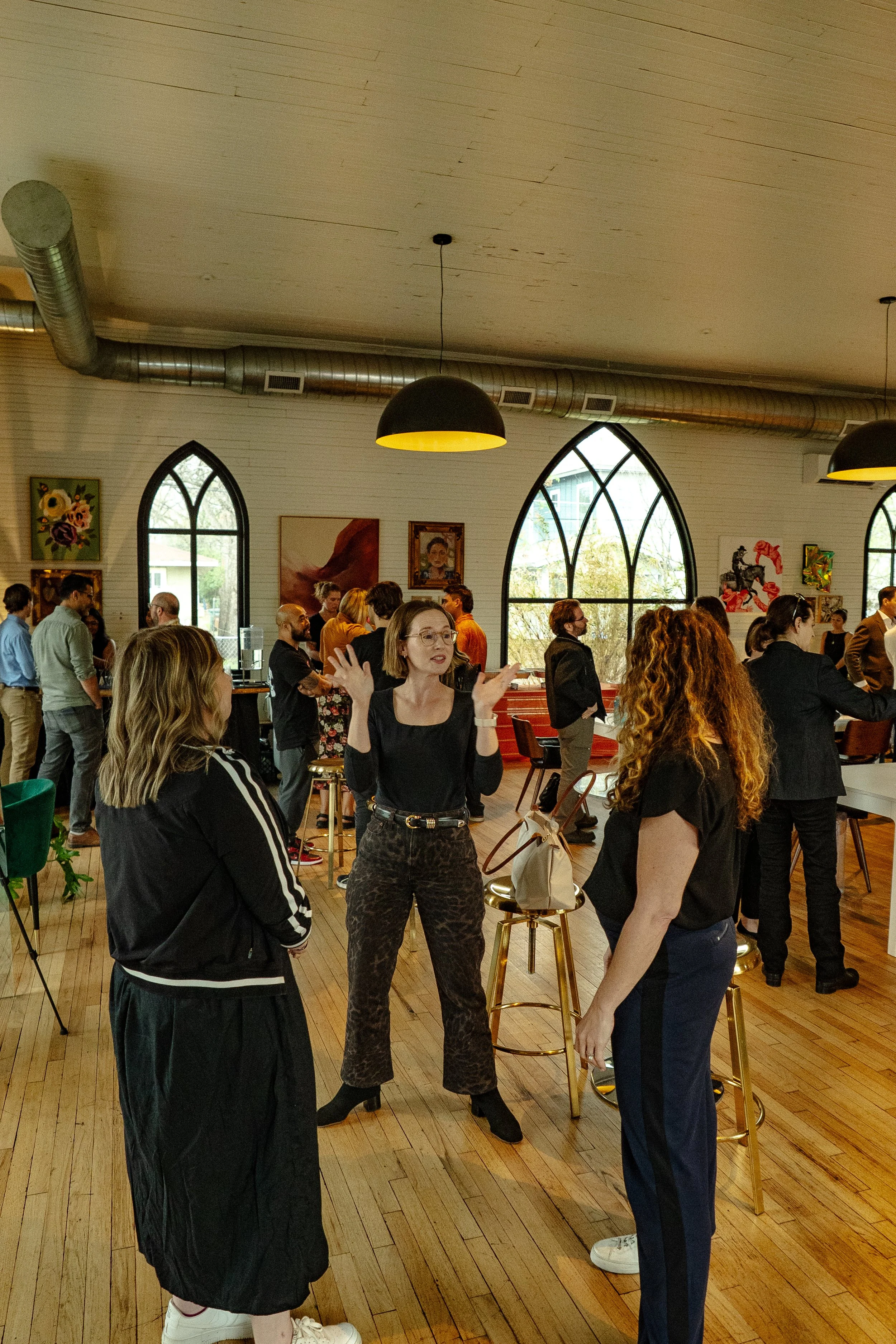
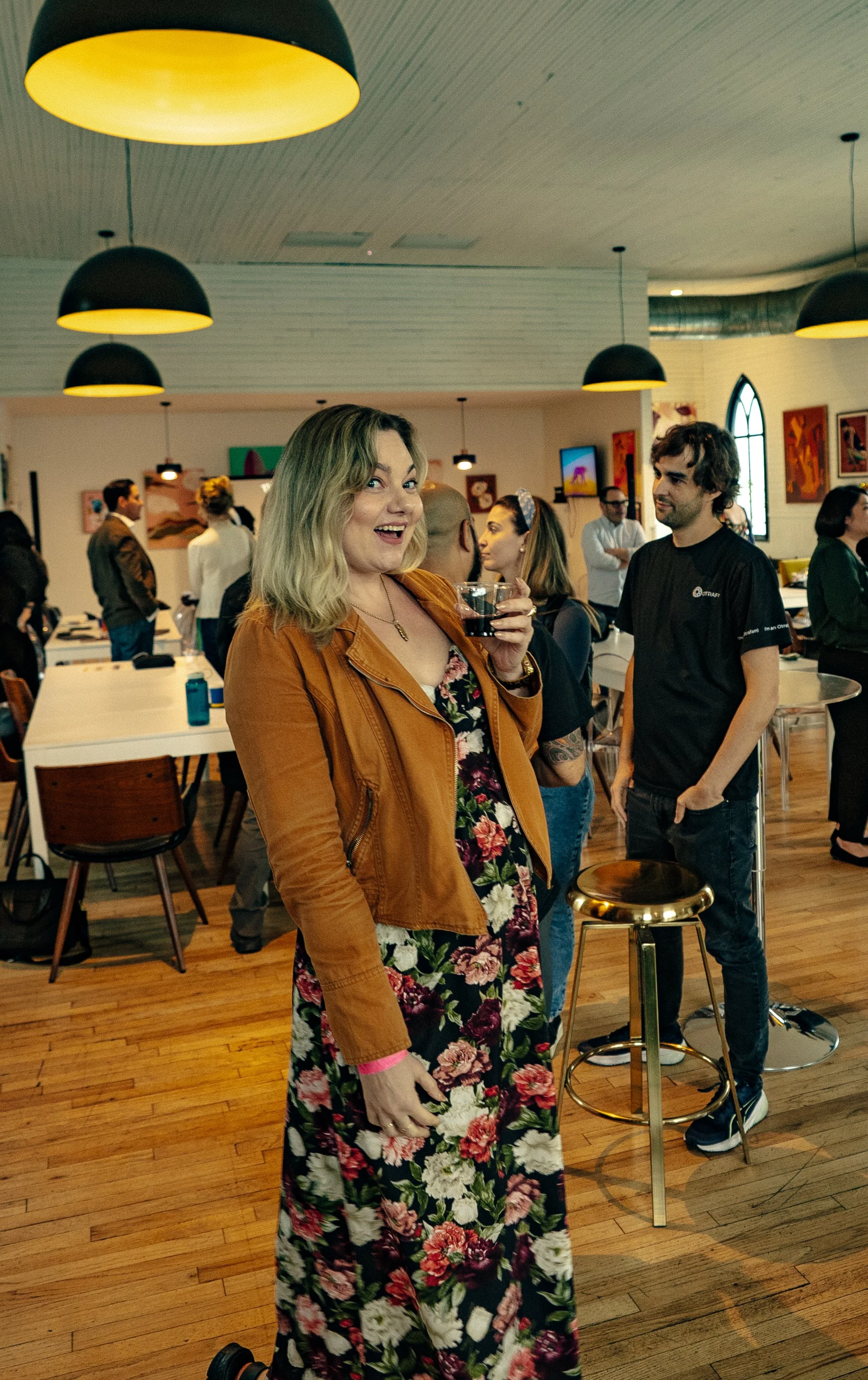
The premise of Topi Topics is simple. The most important conversations in food rarely happen on stages. They happen when you place a restaurant technologist next to a food sovereignty advocate next to a Laotian-American chef next to a tequila ambassador—and give them time to talk.
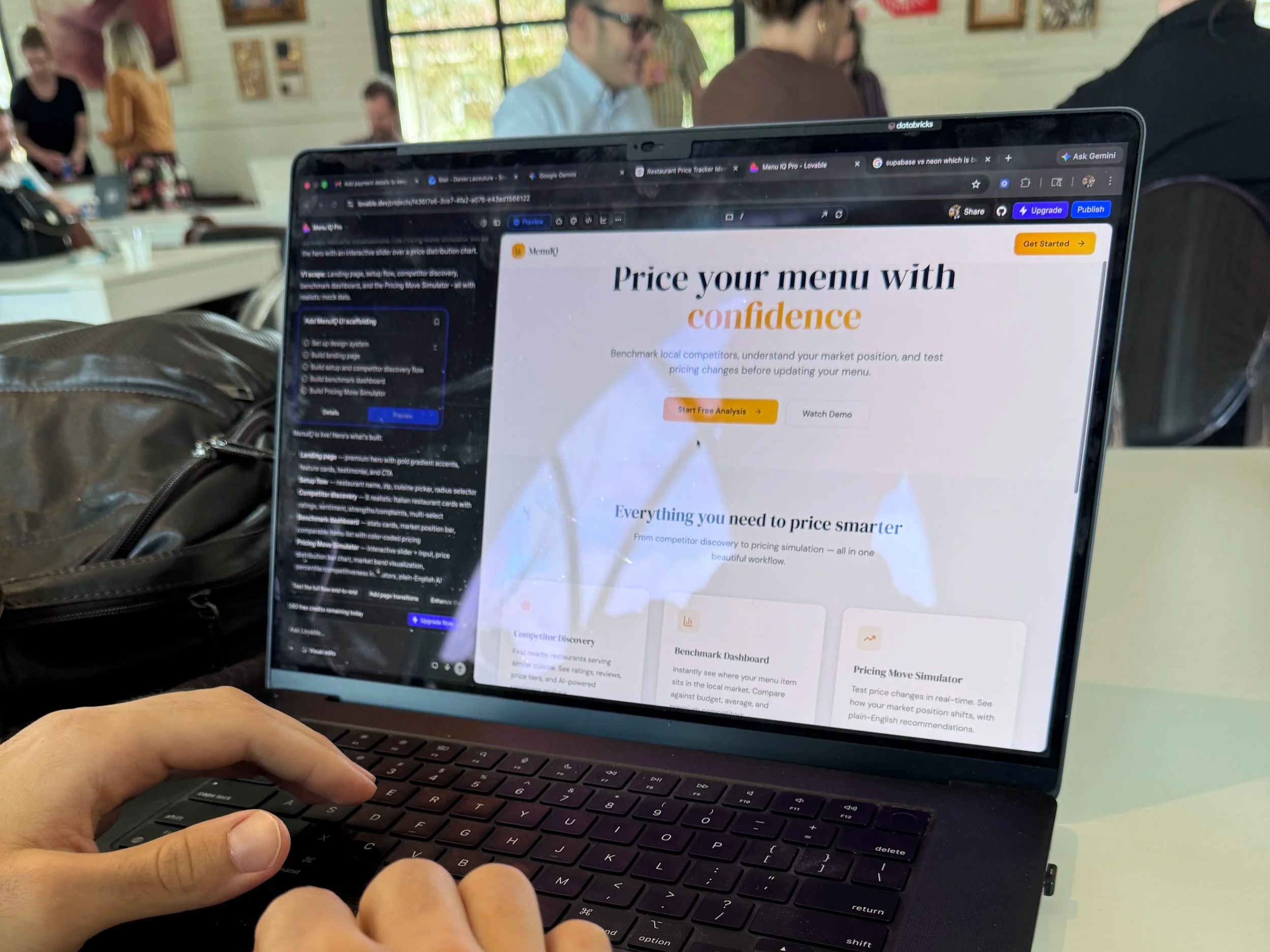
We started with a vibe coding workshop where chefs and operators built working tools in under forty minutes. None of the participants walked in knowing how to code. They came in with questions they wanted to explore.
A few examples from the afternoon:
Karina Kromsov built a brand partnership evaluator—a simple tool to pressure-test whether a collaboration is actually a good idea before saying yes. (You’ll have to ask her how it works. Watching the room debate hypothetical partnerships was half the fun.)
Another team built a supply chain forecasting model, and someone else tackled a menu pricing analyzer—the kind of operational questions that usually sit in spreadsheets until two in the morning.
The point wasn’t perfection. It was momentum. An idea in the morning, a working tool before the afternoon coffee.
One of the tools built that afternoon is already being used by a team today, which says something about how quickly the distance between an idea and a working system is shrinking. Chefs and operators are beginning to prototype tools themselves instead of waiting for someone else to translate their thinking into software.
Then the afternoon unfolded.
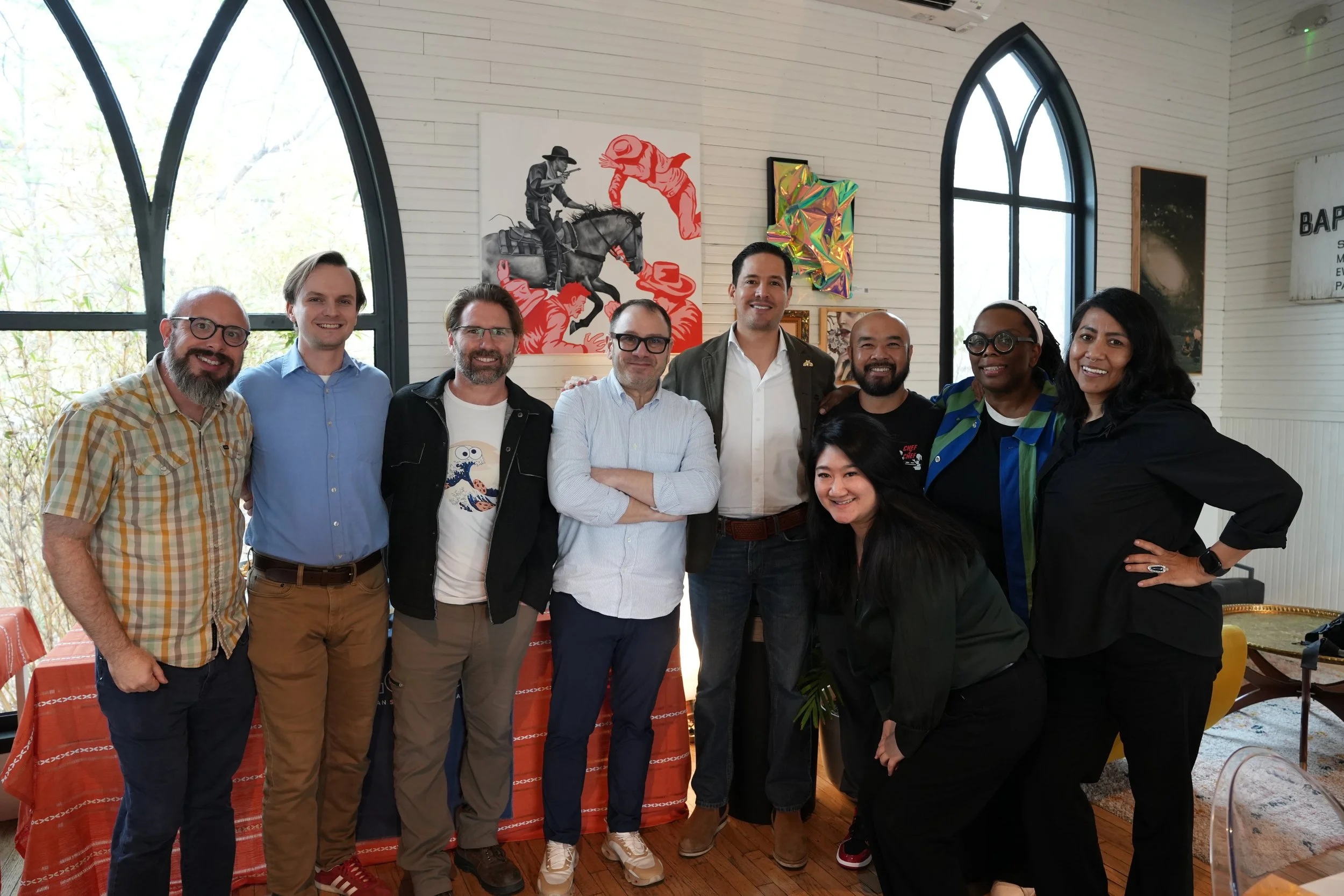
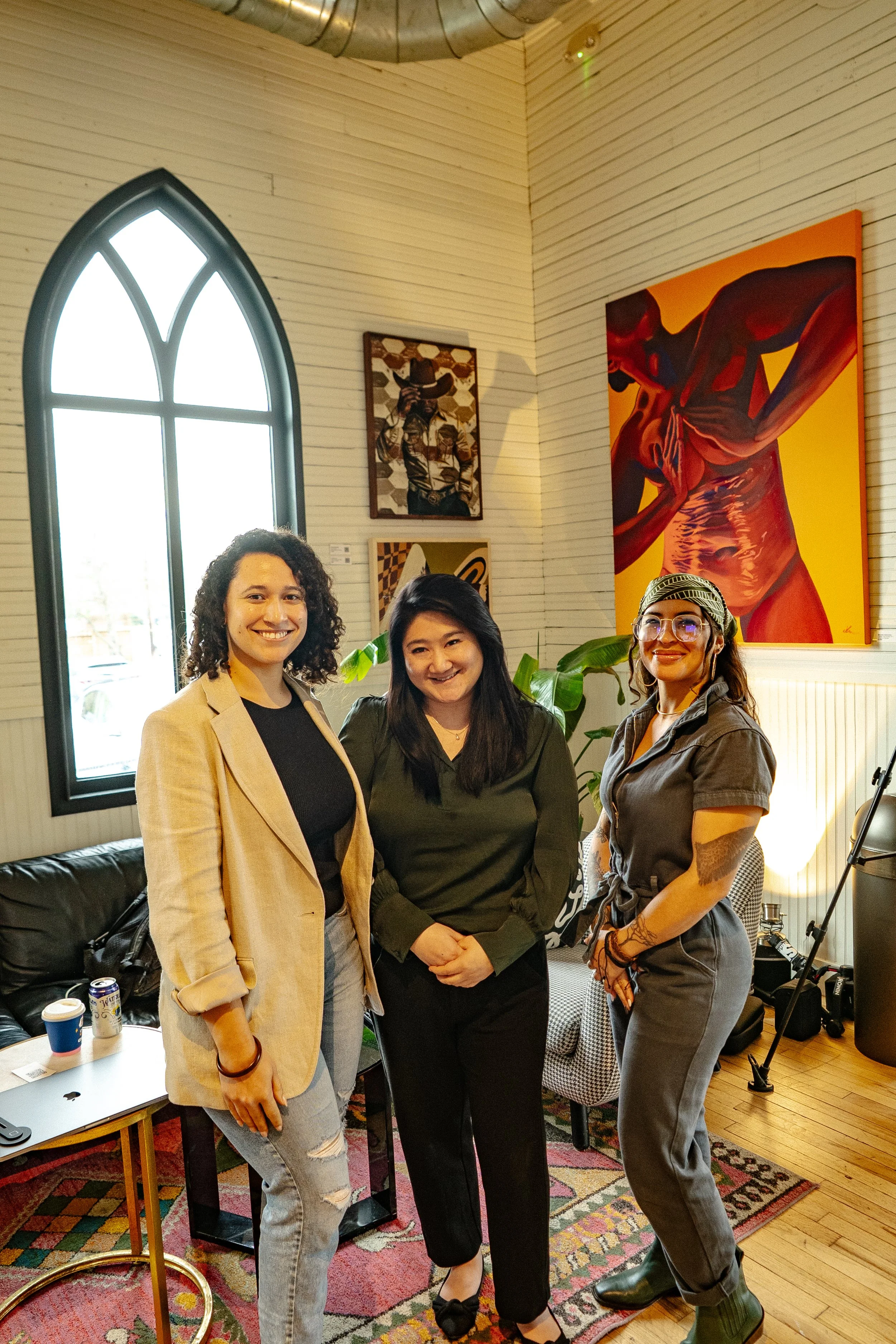
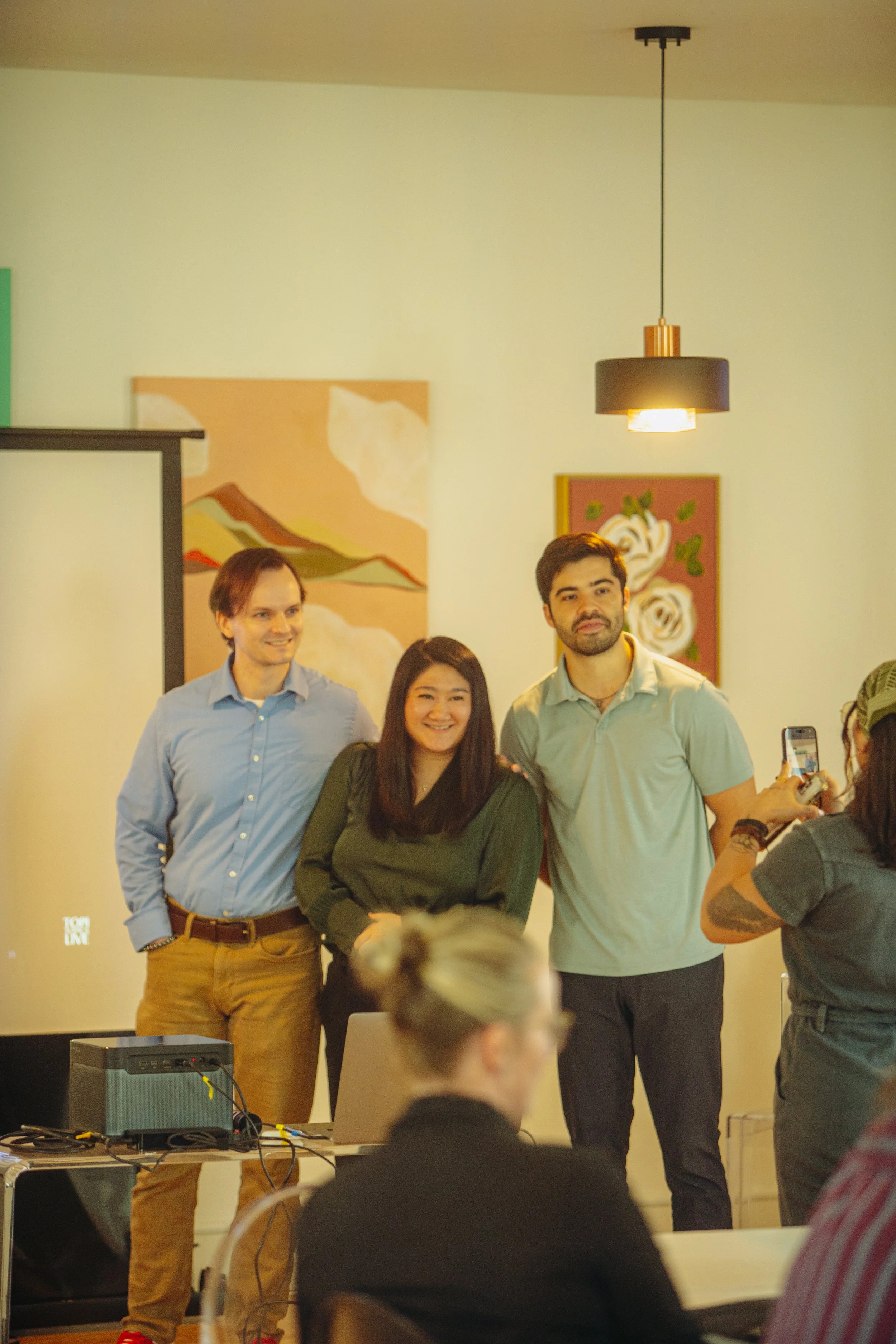
Topi Topics Austin Speakers and Host Committee
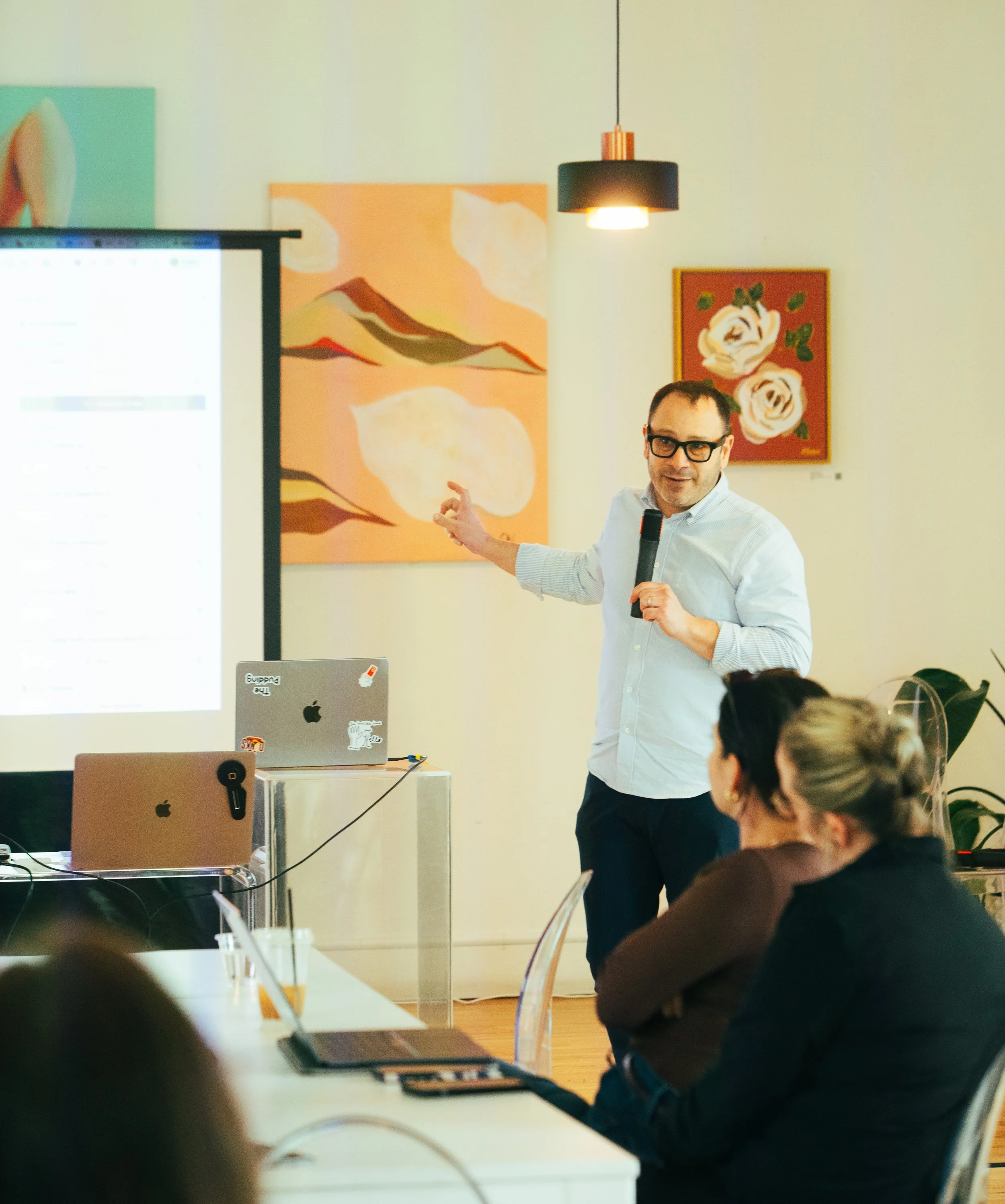
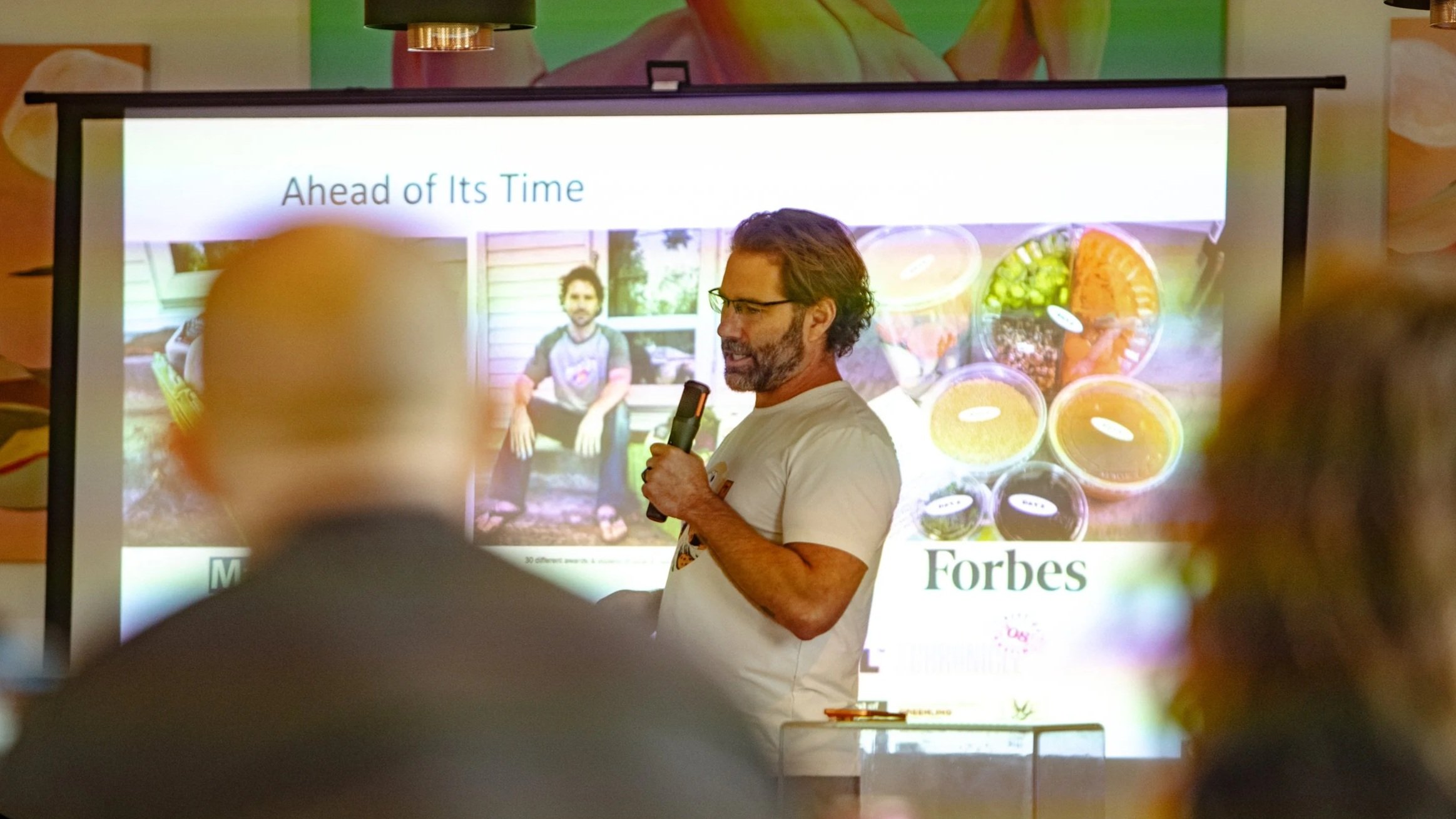
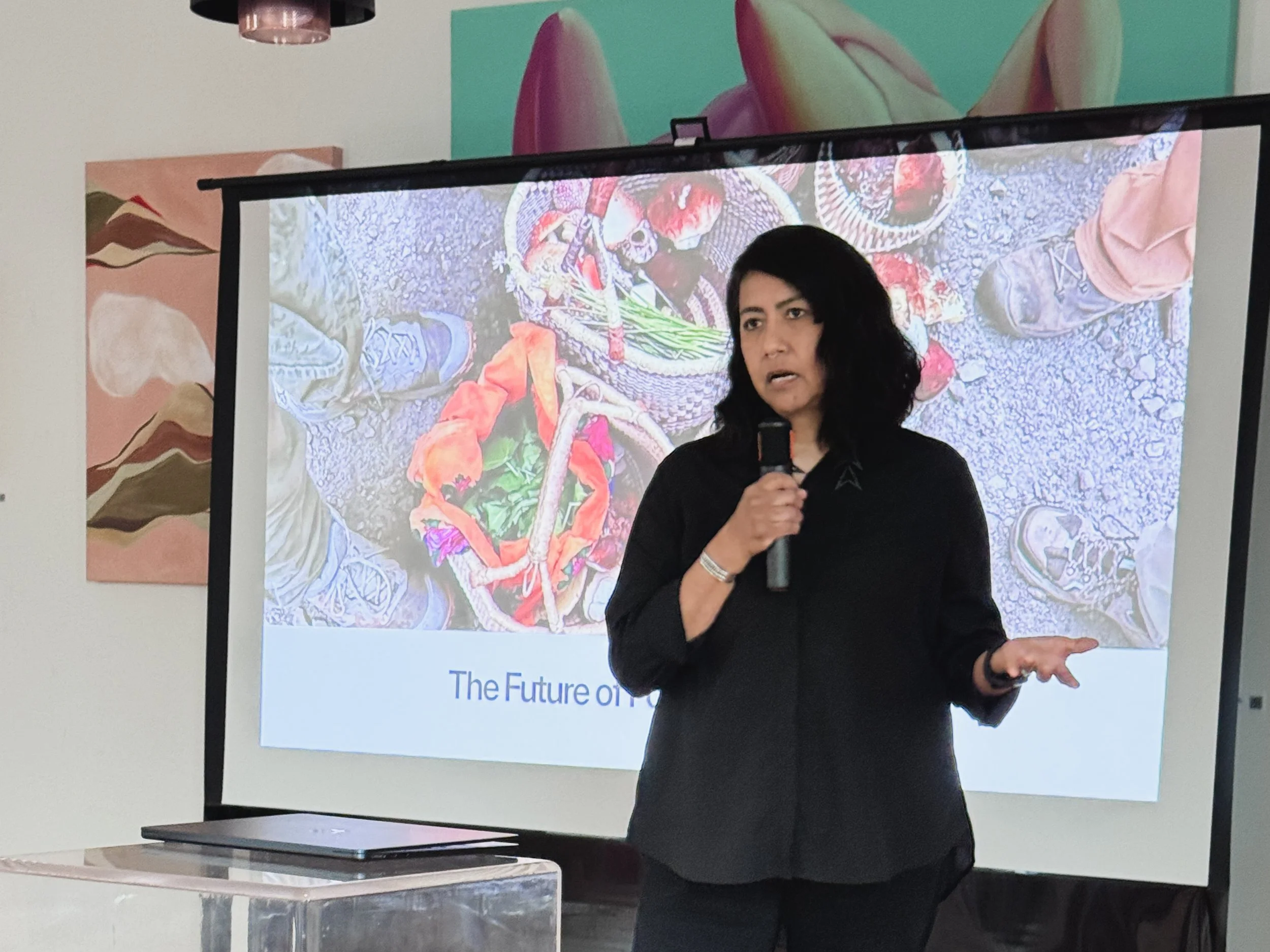
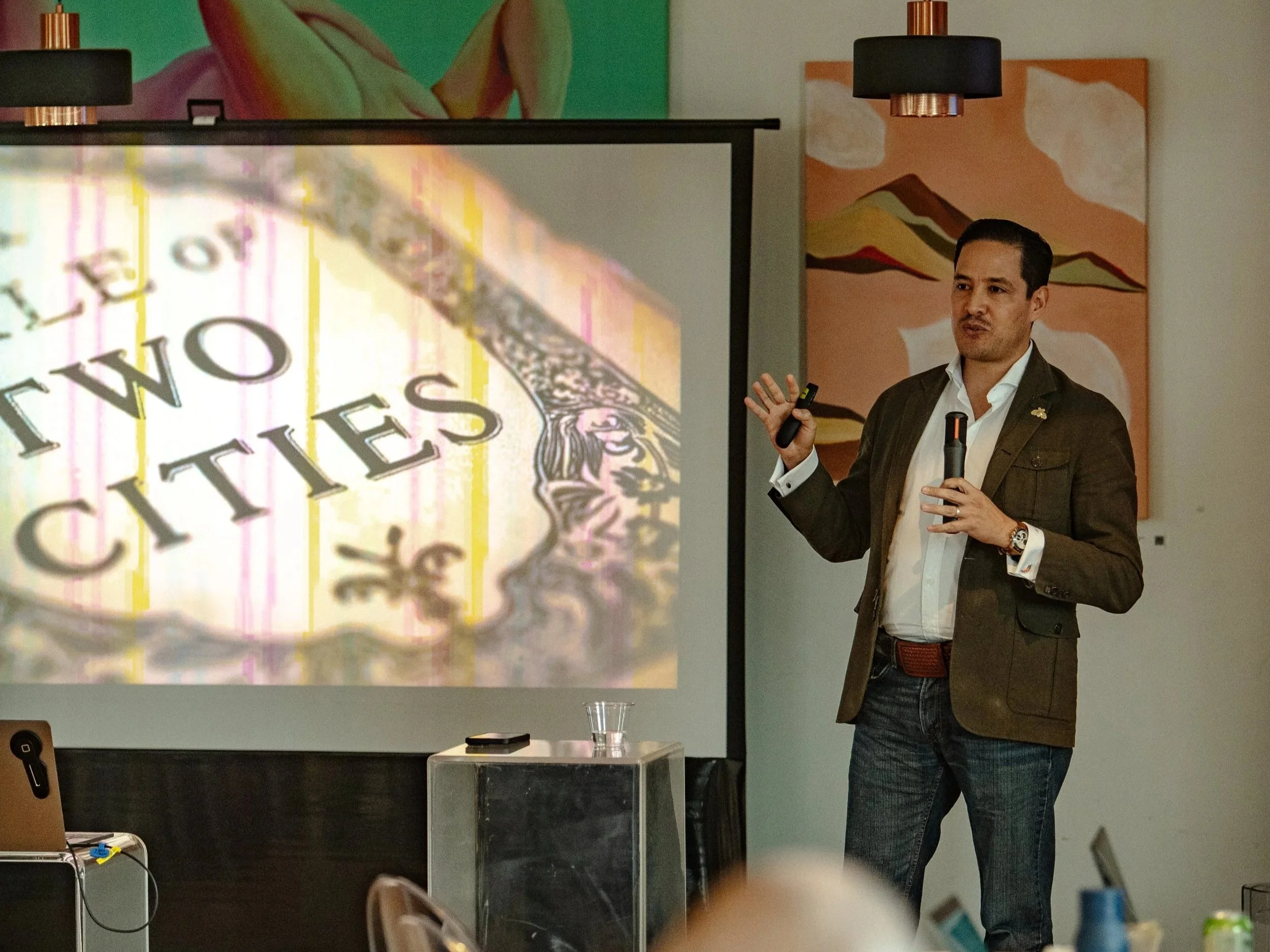
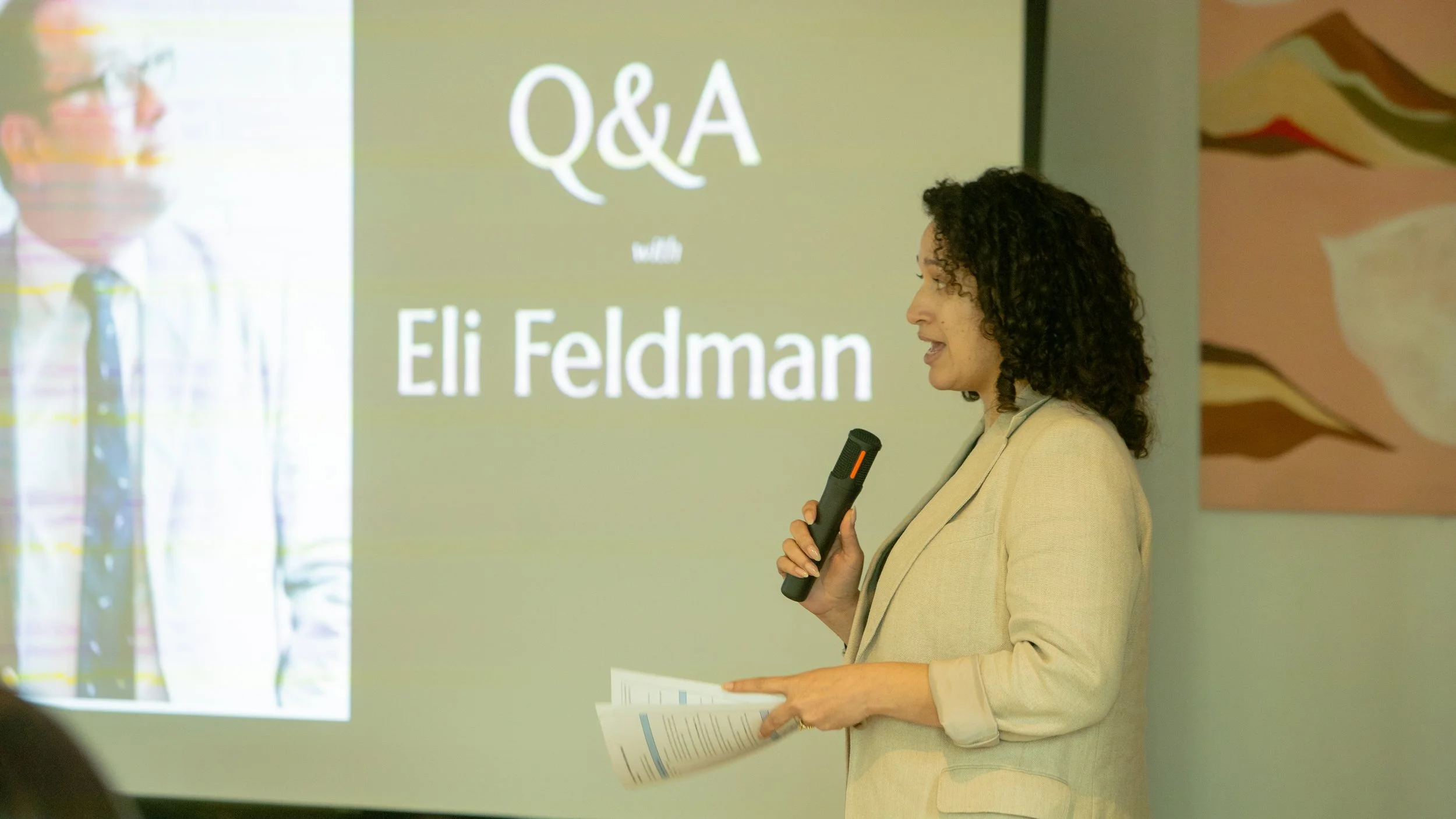
Eli Feldman from Colette AI began by grounding the room in the economic reality of restaurants. One in ten Americans works in one. One in two has at some point. Yet the industry runs on margins around five percent on a good day—essentially a manufacturing operation layered into the middle of a city.
His work focuses on AI agents that close the gap between information and action: systems that monitor clock-ins, flag food cost changes, and summarize what happened during a shift. Not another dashboard to stare at. Tools that help teams execute.
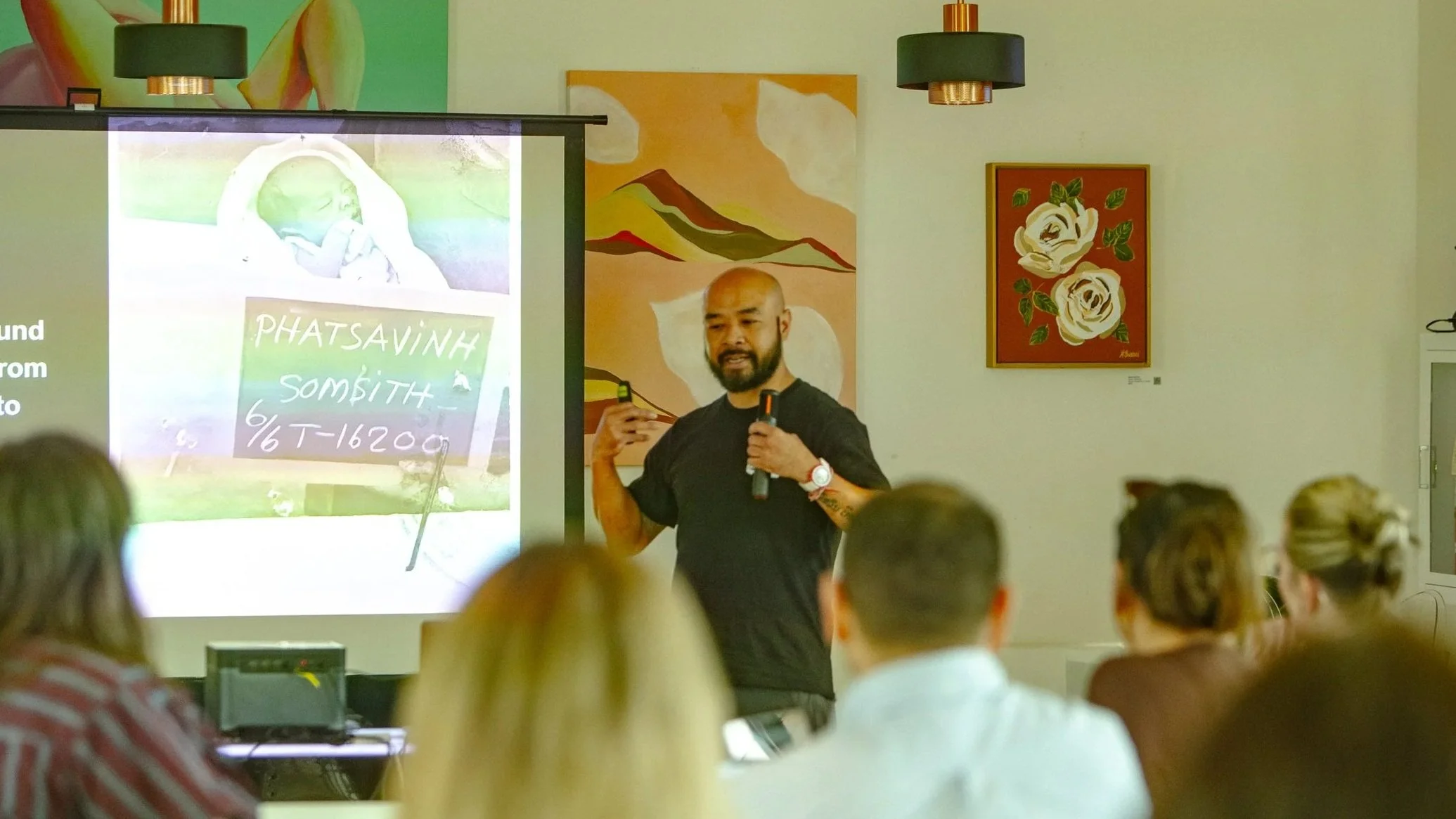
Chef Bob Somsith (James Beard Foundation’s Best Chef Texas 2026) of Lao’d Bar spoke about building a restaurant rooted in Lao flavors—sweet, salty, spicy, acidic, bitter, all held in balance. He uses AI where it’s useful: brainstorming collaborations, drafting training manuals, even shaping a dynamic tip-share model that rewards hustle instead of seniority.
But he also drew a clear boundary.
AI can give you a baseline, he said. It cannot give you the fermented fish sauce your grandmother made. It cannot recreate what your family carried across the Mekong River.
Identity, in other words, isn’t something you can generate with a prompt.
Mason Arnold from Small Potatoes introduced a statistic that stopped the room for a moment. Scientists currently track about 0.6% of the compounds we know exist in food, and understand only 1% of the compounds present in plants. We’ve built a global food system while understanding almost none of its nutritional complexity.
His bet is that AI may finally give us the tools to explore what we’re actually eating—and begin optimizing food systems around health and biodiversity instead of simply yield.
Chef Bleu Adams brought the conversation somewhere deeper still. We have already lost an estimated 80% of food biodiversity, along with indigenous knowledge systems that sustained this continent for thousands of years.
Her point wasn’t nostalgic. It was practical.
Restaurants may be one of the few places where that knowledge can still be recovered—ingredient by ingredient.
Then Roberto Núñez Moreno from Patrón shared a statistic that reframes hospitality entirely: more than half of Americans under thirty-five are no longer drinking alcohol.
That isn’t a crisis. It’s a signal.
People are not showing up for alcohol alone. They’re showing up for the experience around it. They always were.
What struck me listening to Bleu and Roberto is how AI enters these conversations in unexpected ways.
Bleu’s point about biodiversity loss suggests an opportunity for technology to help rediscover what we’ve forgotten. AI is remarkably good at pattern recognition across massive datasets—soil data, crop genetics, climate records, historical agricultural systems. Tools like that could help surface ingredients and growing systems that sustained communities long before industrial agriculture reshaped the landscape.
Roberto’s insight points to something different. AI will get better at detecting shifts in consumer behavior—ordering patterns, beverage trends, signals in data that suggest tastes are changing. But the deeper lesson wasn’t about beverages. It was about hospitality. People come for the experience around the drink, not the drink itself. Technology may help us see the patterns more clearly. The decisions about food, culture, and hospitality still belong to people.
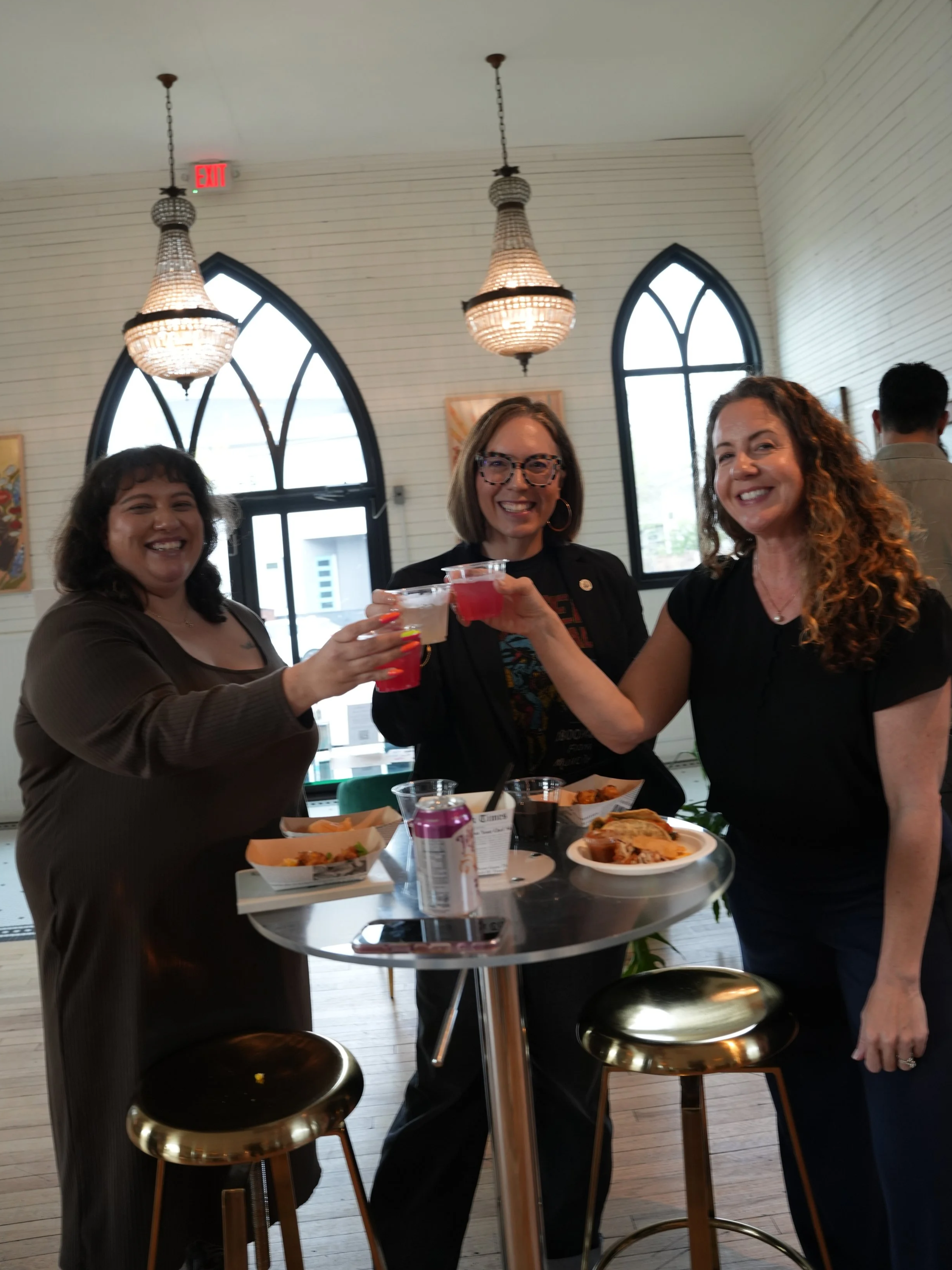
Over the course of the afternoon something simple but powerful happened: technologists listening to chefs, chefs listening to farmers, founders listening to operators. These are the conversations that move the industry forward.
Thank you again to Databricks for Startups (Graham Sniesak and Daniel Lacouture), to Chef Adrian Lipscombe for emceeing with such presence, to Helen Ralowicz-Chapman of Marqii for moderating the discussion, and to Sam Eder for leading the workshop that kicked the afternoon into motion.
And of course to everyone who showed up, built something, stayed curious, and stayed for the conversation.