
The Breakthroughs: Los Angeles (March 2)
A hot dog brand, a gas station, a $14M cocktail, and a box of chocolate walked into a room in Los Angeles.
That wasn’t the start of a joke. It was the mix of operators and founders who gathered at RiTa House for the latest Topi Topics Live.
Before anyone gave a talk, we opened our laptops and started building.
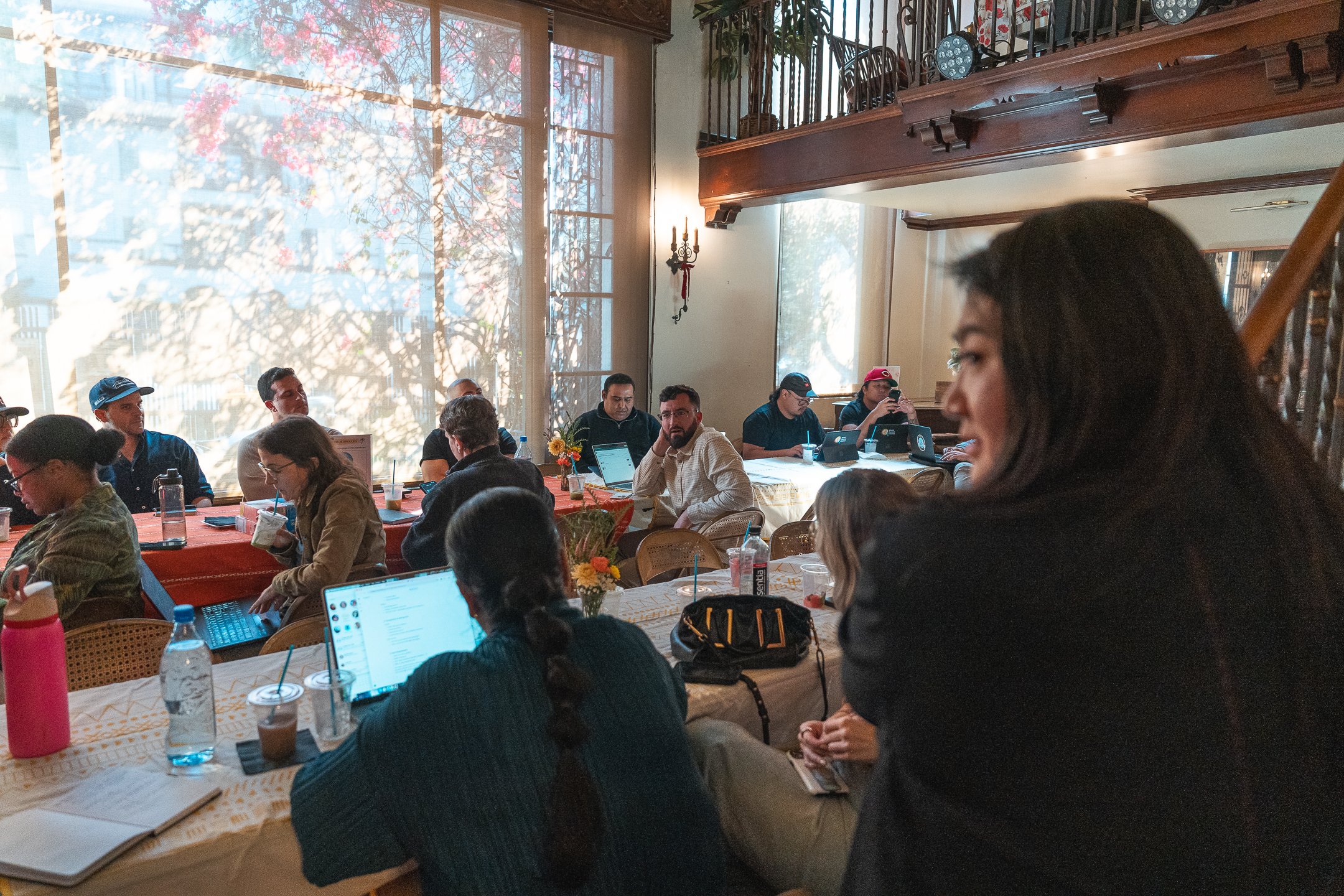
A room full of operators, chefs, founders, and technologists experimenting with AI tools together at Topi Topics Live in Los Angeles.
Thank you to Databricks for sponsoring the vibe coding session and building alongside everyone in the room.
Some participants were chefs. Some were restaurant founders. Some worked in technology. Very few had ever written a line of code. Within an hour, they were experimenting with AI tools: a content generator for a supper club, a client management platform, a social media gap finder for restaurant outreach, even a piano improvisation app designed for hotel lobbies.
None of them walked in knowing how to code. They simply walked in with a question.
That moment always shifts the energy of the room. When people build something together, even imperfectly, the conversation moves quickly from speculation to possibility.
Then the speakers took the stage.
Four founders from very different corners of hospitality. Four very different businesses. And yet the same themes surfaced again and again: discipline, identity, and the long game.
Ownership Is Authenticity
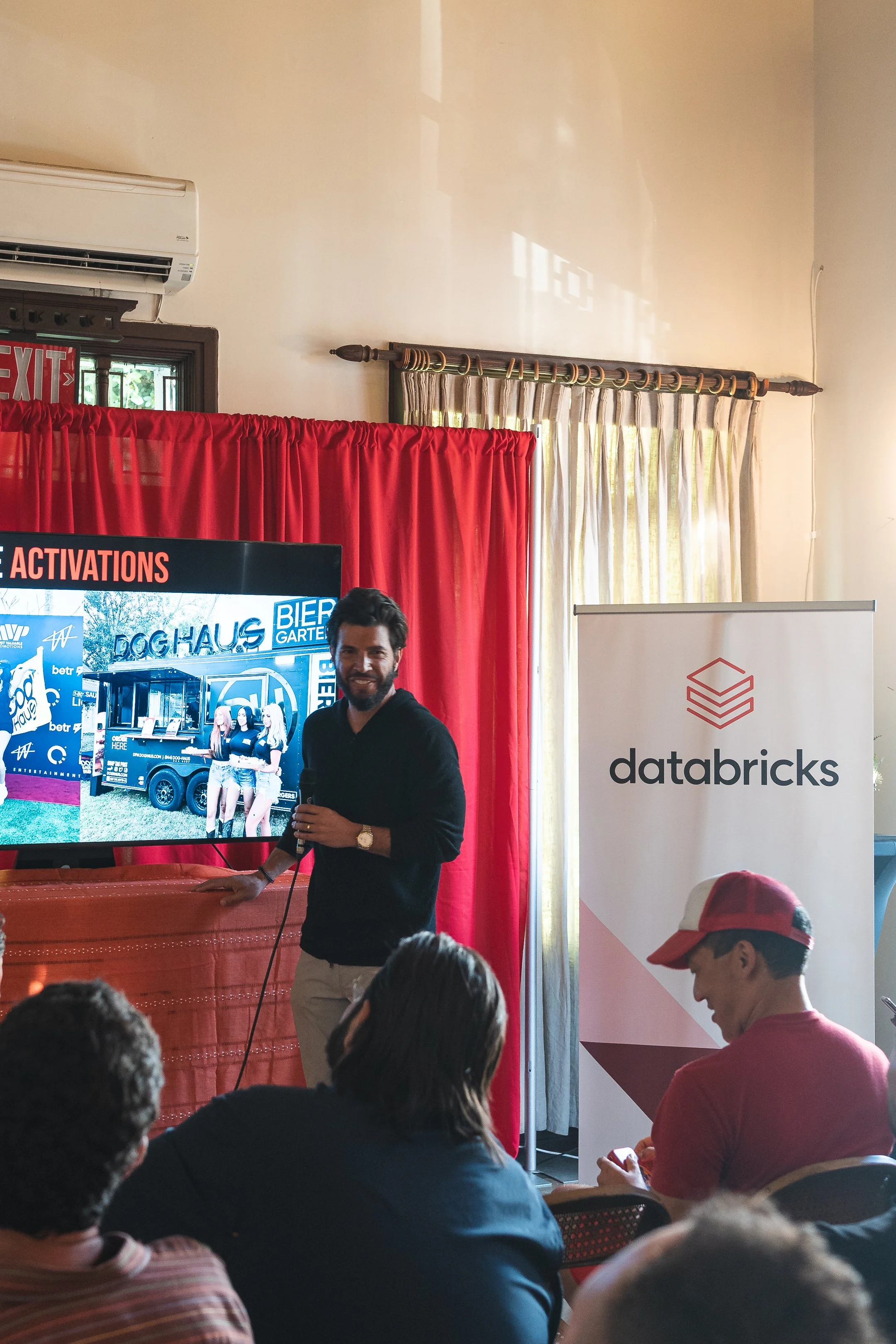
Michael Montagano — Dog Haus
Michael Montagano has spent more than fifteen years building Dog Haus into one of the most successful fast-casual franchise brands in the country. His philosophy was shaped early by something his father told him:
A business should grow like a tree. The roots have to go down at the same rate that the branches grow up.
That idea has guided Dog Haus from the beginning. Growth without foundation is fragile.
One of the most talked-about examples of that philosophy was the brand’s partnership with Jake Paul. Instead of hiring Paul as a paid promoter, Dog Haus brought him in as a franchise partner with equity.
As Montagano put it:
“Ownership is what ultimately equals authenticity.”
The move wasn’t just marketing. It fundamentally changed how the partnership worked. Paul became invested in the success of the business itself.
Montagano also framed celebrity partnerships differently than most brands do.
“Making the pie bigger rather than squabbling over slivers of the pie — everybody gets to eat more.”
The results were unexpected. The Jake Paul partnership led to Dog Haus selling out U.S. territory to fifteen former Jersey Mike’s franchisees who first heard about the opportunity through Franchise Times.
For Montagano, the bigger challenge remains relevance.
“How do we become relevant? That’s what our fight is all about.”
Even great products need a reason to matter.
Opportunity Hides in Boring Industries
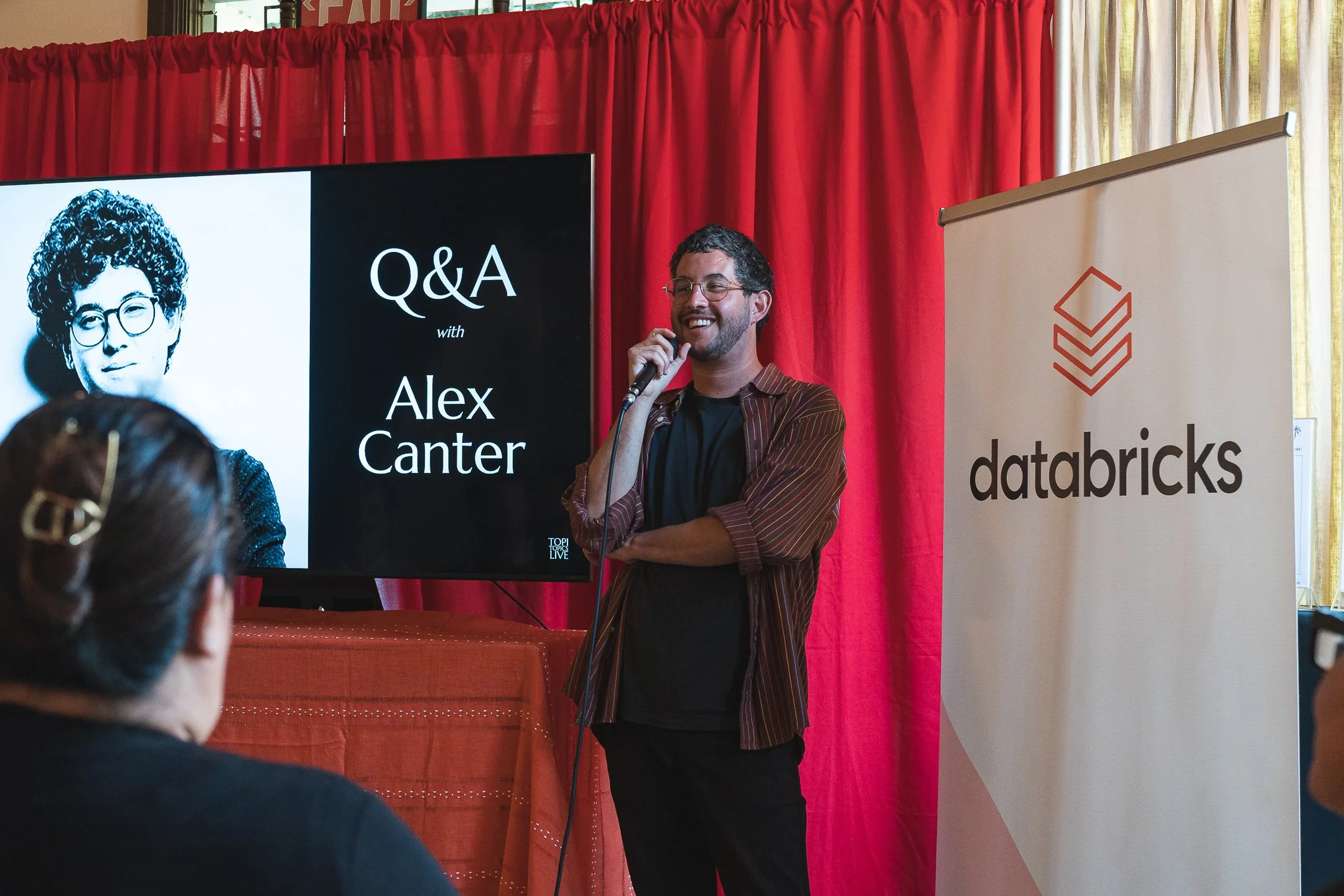
Alex Canter — Maggie’s Refuel / Canter’s Deli
Alex Canter grew up in one of the most iconic restaurants in Los Angeles: Canter’s Deli. Later, he founded Ordermark, helping restaurants manage off-premise channels and raising more than $150 million before exiting.
Now he’s focused on something that, at first glance, seems far less glamorous: gas stations.
There are roughly 150,000 gas stations in the United States, and most of them offer a similar experience. Fluorescent lights. Packaged snacks. Forgettable food.
For Canter, that’s exactly the opportunity.
“Sometimes the most boring industries have some of the biggest opportunities.”
Gas stations, he pointed out, are already extremely profitable businesses.
“Even in their shittiest form, gas stations are cash-flowing machines.”
His new concept, Maggie’s, imagines something entirely different: local bakery croissants, curated beverage walls, clean bathrooms, fresh flowers, and full-service pumping.
Canter described the vision with a simple analogy:
Doing for gas stations what Equinox did for gyms.
But underneath the design and hospitality thinking is a deeper principle.
“If I’ve learned anything, it’s to build a foundationally good business that makes money.”
For someone who spent years in venture-backed tech, it was a striking reflection.
“I don’t think tech solves every problem.”
The Cocktail That Became Culture
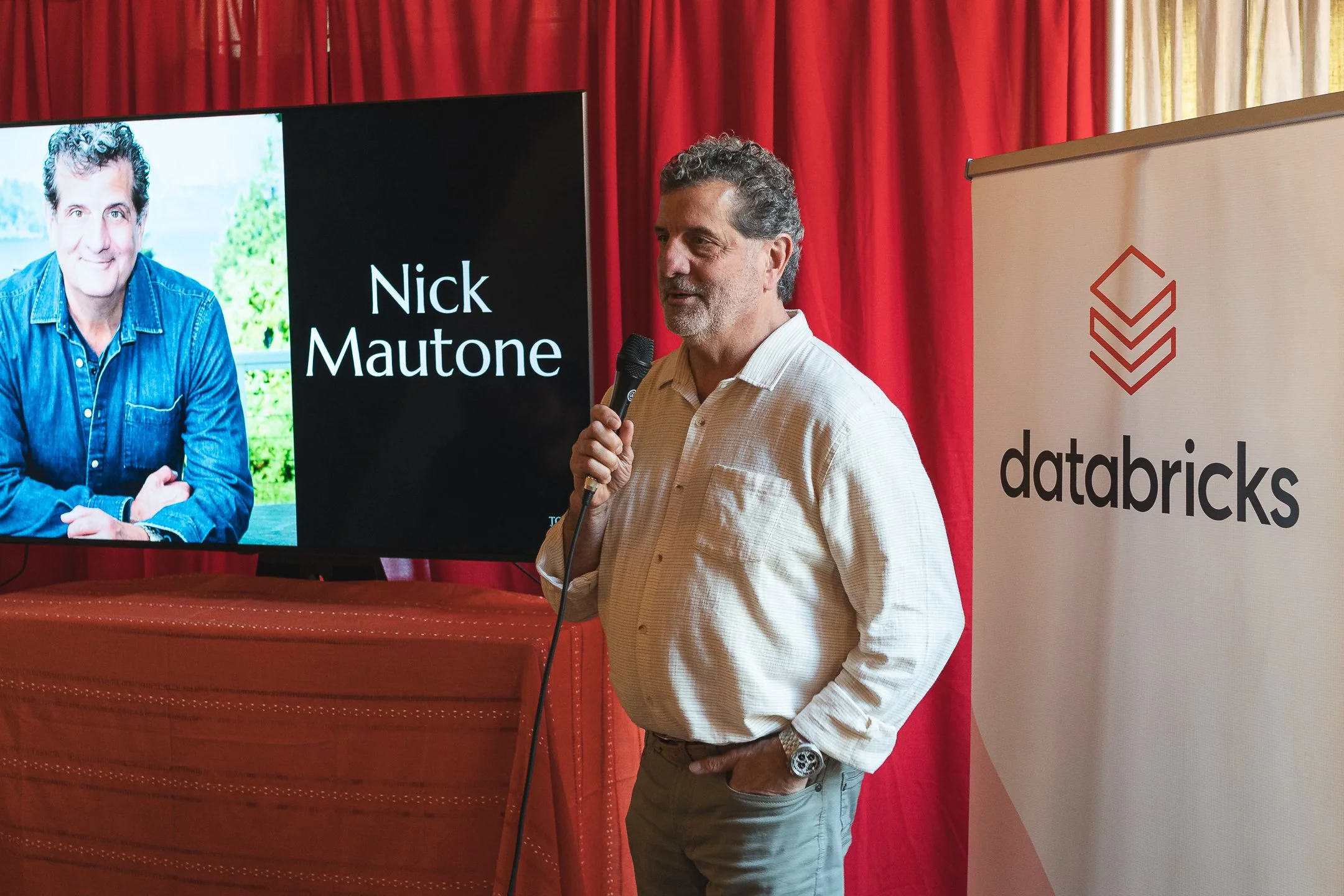
Nick Mautone — Gramercy Tavern / Rainbow Room
Nick Mautone has spent decades shaping iconic bar programs, from Gramercy Tavern to the Rainbow Room. But the drink he’s most associated with is the Honey Deuce, created for the U.S. Open in 2006.
Last year, the tournament sold 673,000 Honey Deuces at $23 each, generating more than $14 million in revenue from a single cocktail.
But Mautone’s philosophy goes far deeper than numbers.
He described his work through three pillars:
Authenticity. Intentionality. Emotionality.
“People will forget the product. But they will remember how you made them feel.”
For Mautone, hospitality is ultimately about emotional memory.
“Experience plus memory breeds loyalty. Loyalty breeds profitability.”
He also pushed back on the industry’s obsession with novelty.
“Consistency is sexy. Repetition builds reassurance. Trust compounds over time.”
And while authenticity has become a popular word in branding conversations, Mautone framed it differently.
“Authenticity is your superpower, but it requires discipline. You have to protect the core.”
Over time, the Honey Deuce became more than a drink. It became part of the cultural identity of the U.S. Open itself.
“People belong to the US Open through the Honey Deuce.”
The Discipline of Saying No
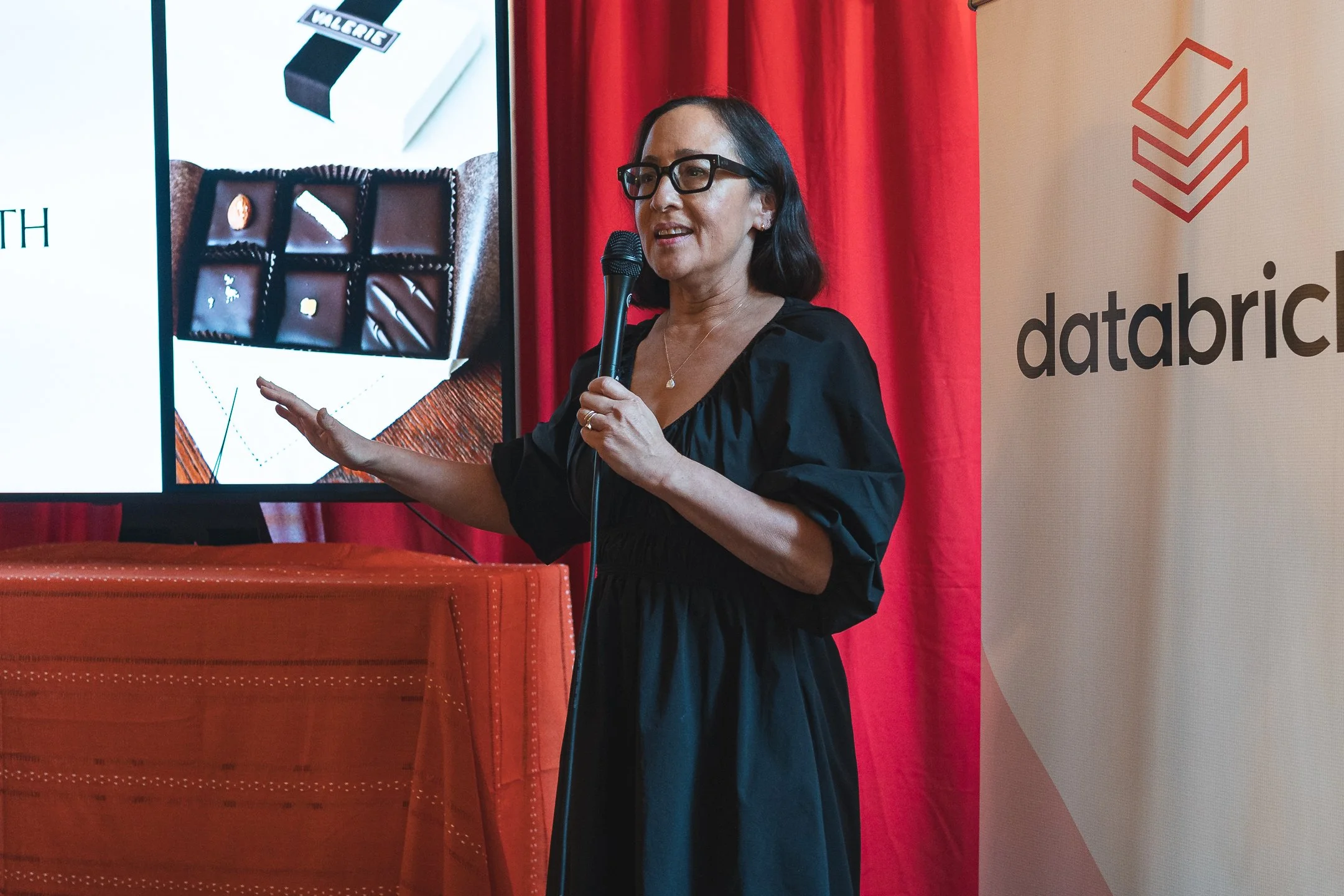
Valerie Gordon — Valerie Confections
For more than twenty years, Valerie Gordon has quietly built one of Los Angeles’s most respected confectionery brands.
Her strategy has never been about chasing trends.
“If everybody is doing something — if there’s a huge trend — I say no thank you.”
Valerie Confections has passed on cupcakes, Dubai chocolate, colored bonbons, and countless other viral food moments.
Instead, Gordon has focused relentlessly on craft and detail.
“The devil is in the details. It’s always good to bother.”
Her long-term perspective is captured in one of the most memorable lines of the evening:
“We’re not a comet. We’re a planet.”
Comets burn bright and disappear. Planets endure.
For Gordon, the work must remain inspiring to the people doing it.
“If you don’t love it, if you don’t feel inspired by the work, then the customers won’t either.”
And when challenges arise, the focus shifts.
“Don’t look at the obstacle. Look at the path.”
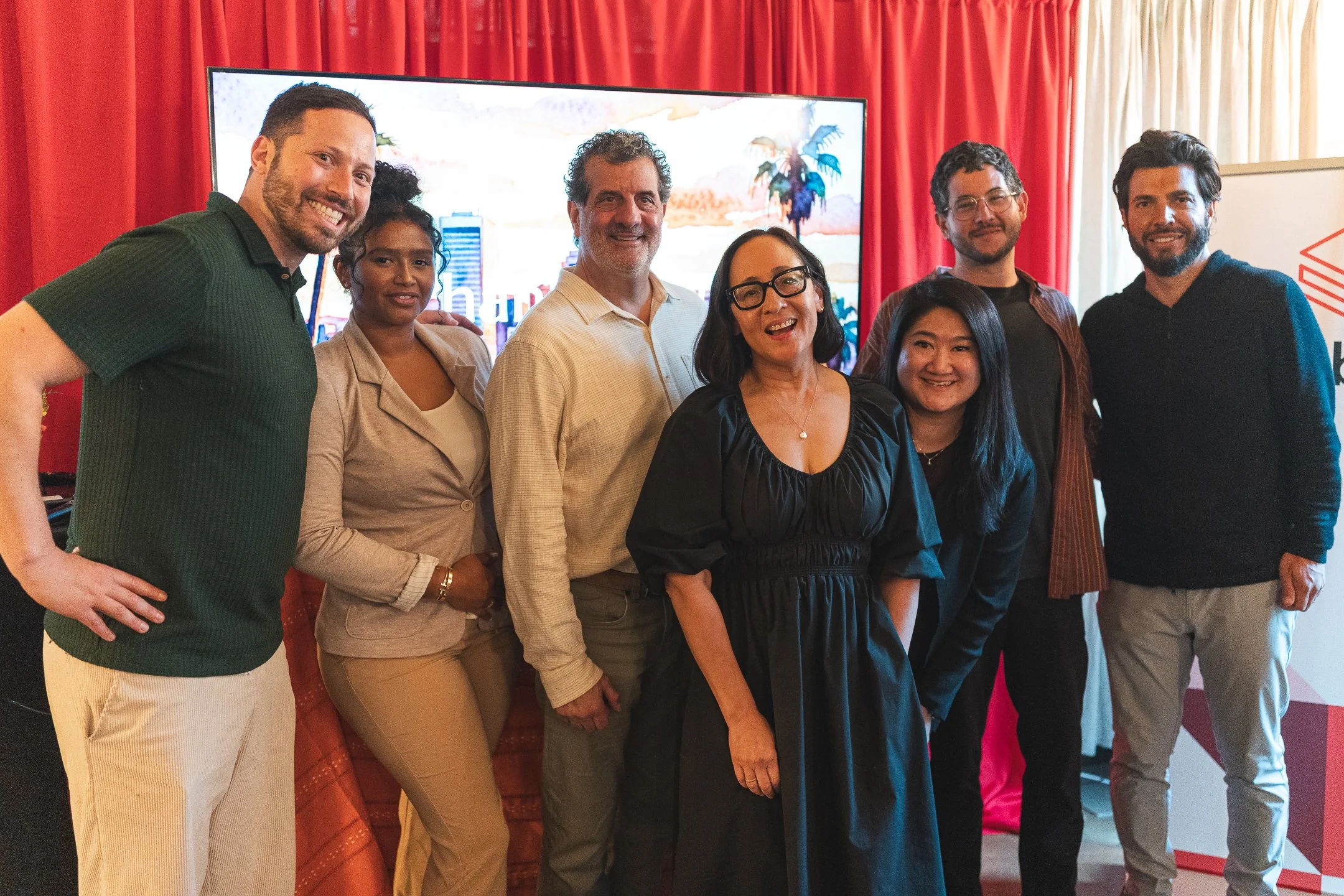
Special thanks to Cameron Gould-Saltman (moderation) and Chef Tiana Gee (emcee) for keeping the evening moving.
The Through Line
By the end of the evening, a clear pattern emerged. Four different founders. Four different industries. Four very different career paths.And yet they all returned to the same principle.
You cannot shortcut identity.
Technology can accelerate ideas. It can make experimentation faster. It can reveal patterns we might otherwise miss. But it cannot replace taste. It cannot create meaning. And it cannot build an icon. Those things still come from people who care deeply about the craft.
That’s the conversation we’re exploring at Topi Topics Live. And we’re just getting started.
About Joann Jen
Joann Jen is the Founder and CEO of Topi Ventures, where she helps brands scale at the intersection of food, hospitality, and technology. A former CMO and global customer experience leader, she’s led growth from boardrooms to back-of-house—including Restaurant Brands International and inKind (Fast Company’s Most Innovative in Dining, 2024). She builds systems that make hospitality hold up under pressure.
