
A restaurant in Washington earns about $16,000 in profit on $1 million in revenue. That is a 1.5% margin, and it is the number I kept coming back to all afternoon.
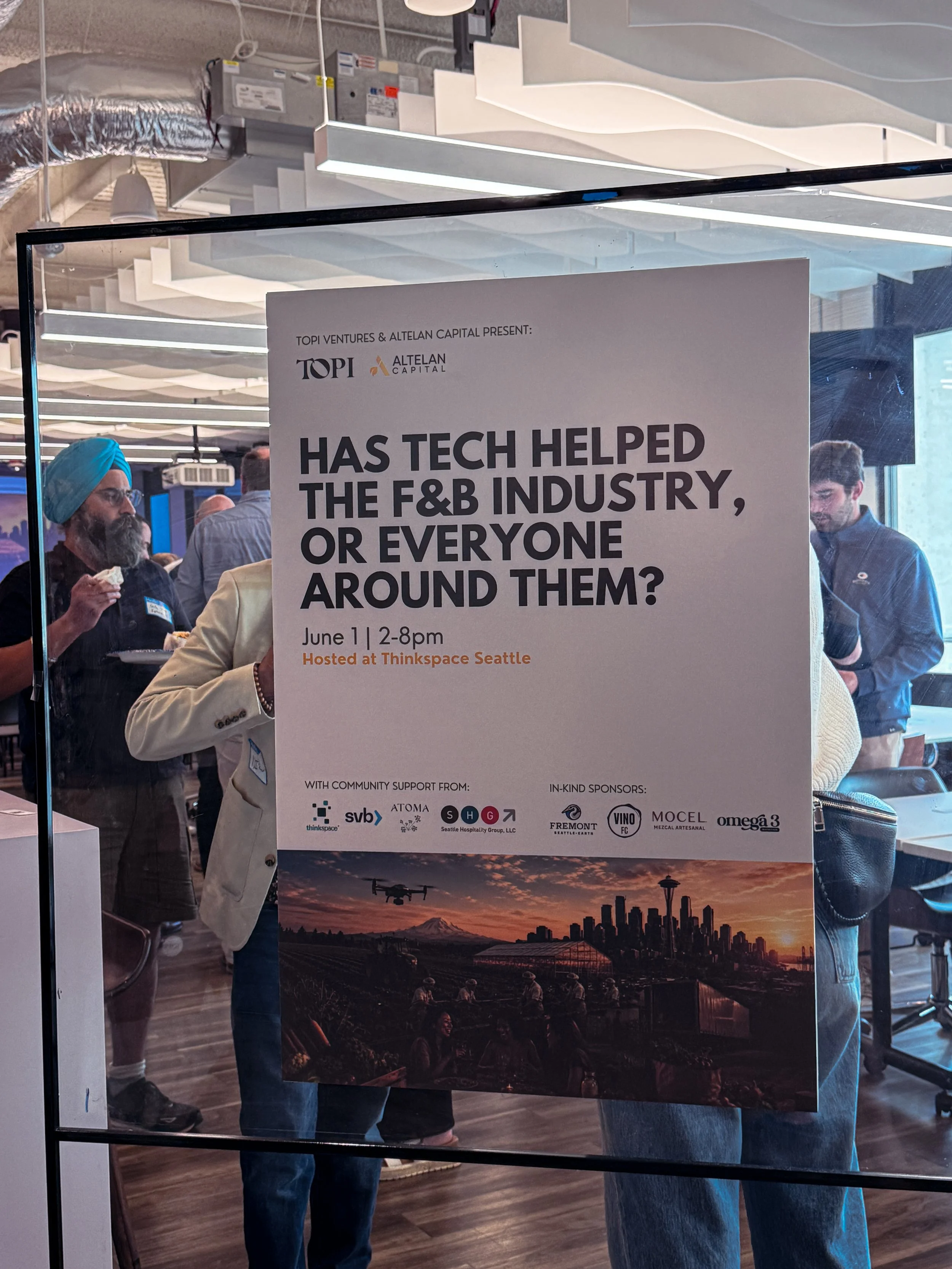
Michael Wolf of The Spoon opened our Seattle event with that statistic, and it framed everything that followed. When margins are that thin, technology cannot simply be interesting or clever or well-funded. It has to actually help the operator, because at 1.5% there is no room for anything that does not. That was the lens I wanted the room to look through, so I built the entire day around a single question: has technology helped the food and beverage industry, or mostly the people selling to it?
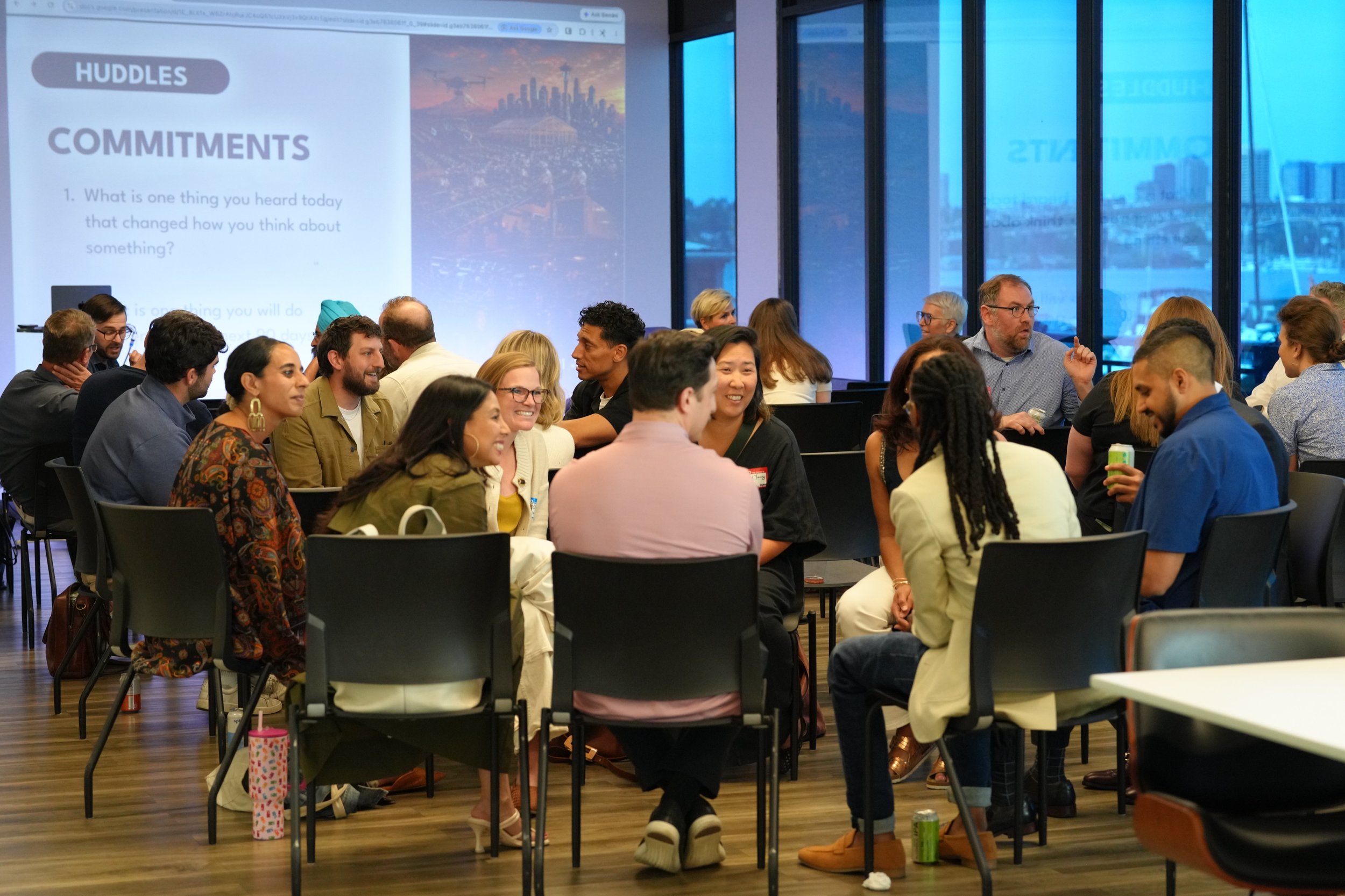
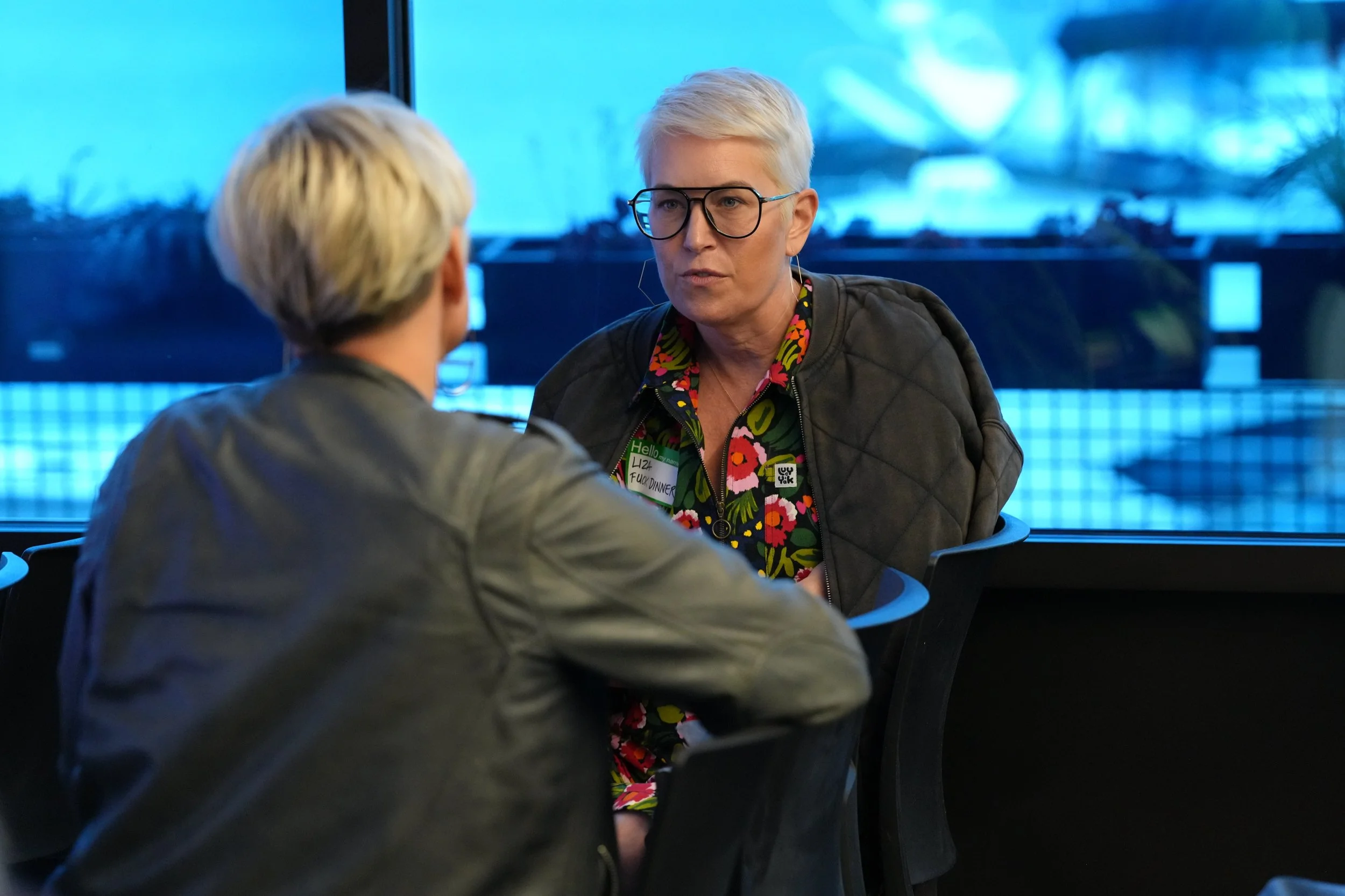
I brought together operators, founders, investors, chefs, policymakers, media, and even a few UW students who were curious, people working in the same industry from very different seats. And what struck me, as the conversations moved from sourcing to operations to food waste, was how often they converged on the same answer. The technology worth having makes operators money. The rest charges a percentage and calls it a partnership.
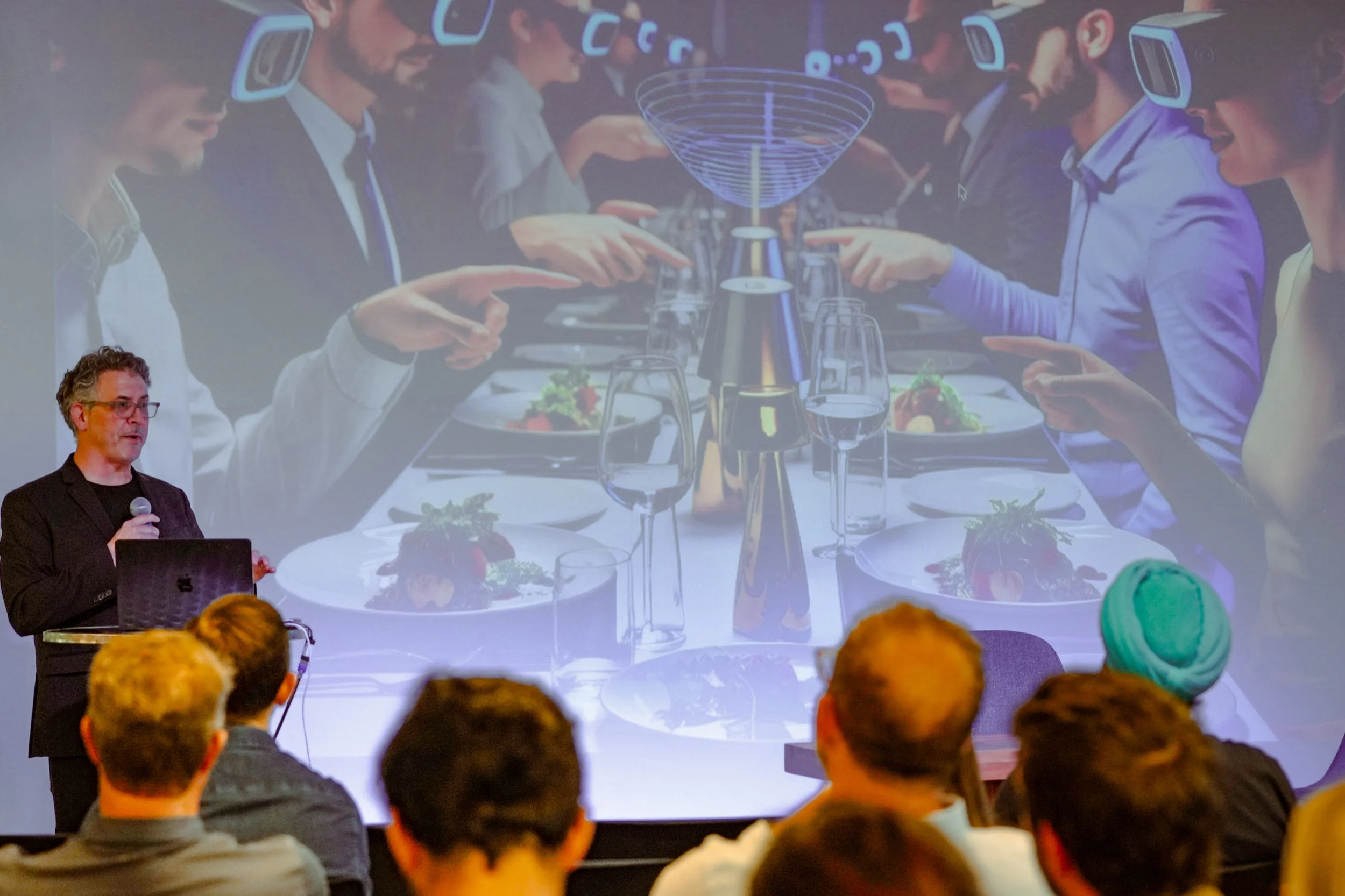
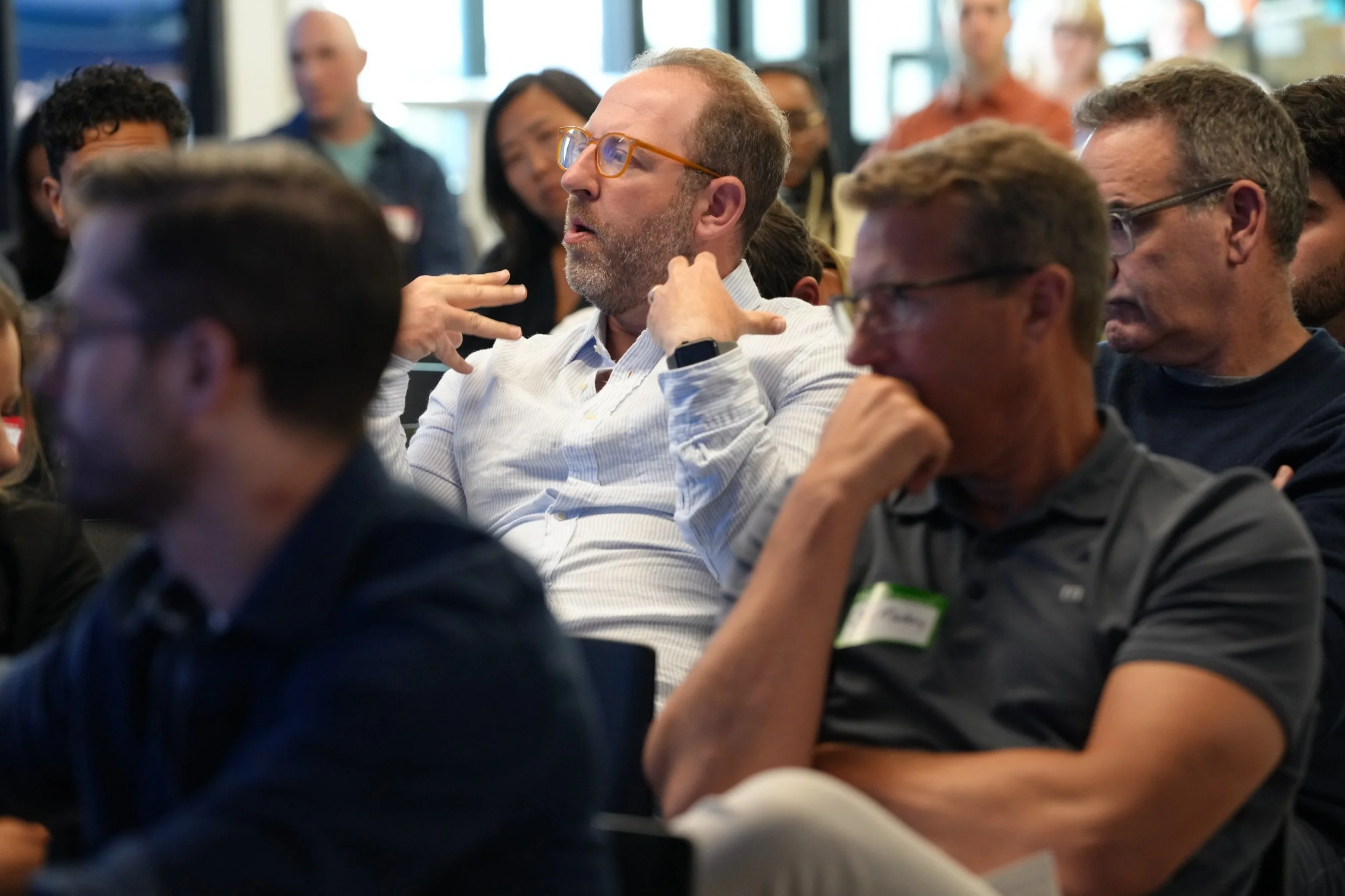
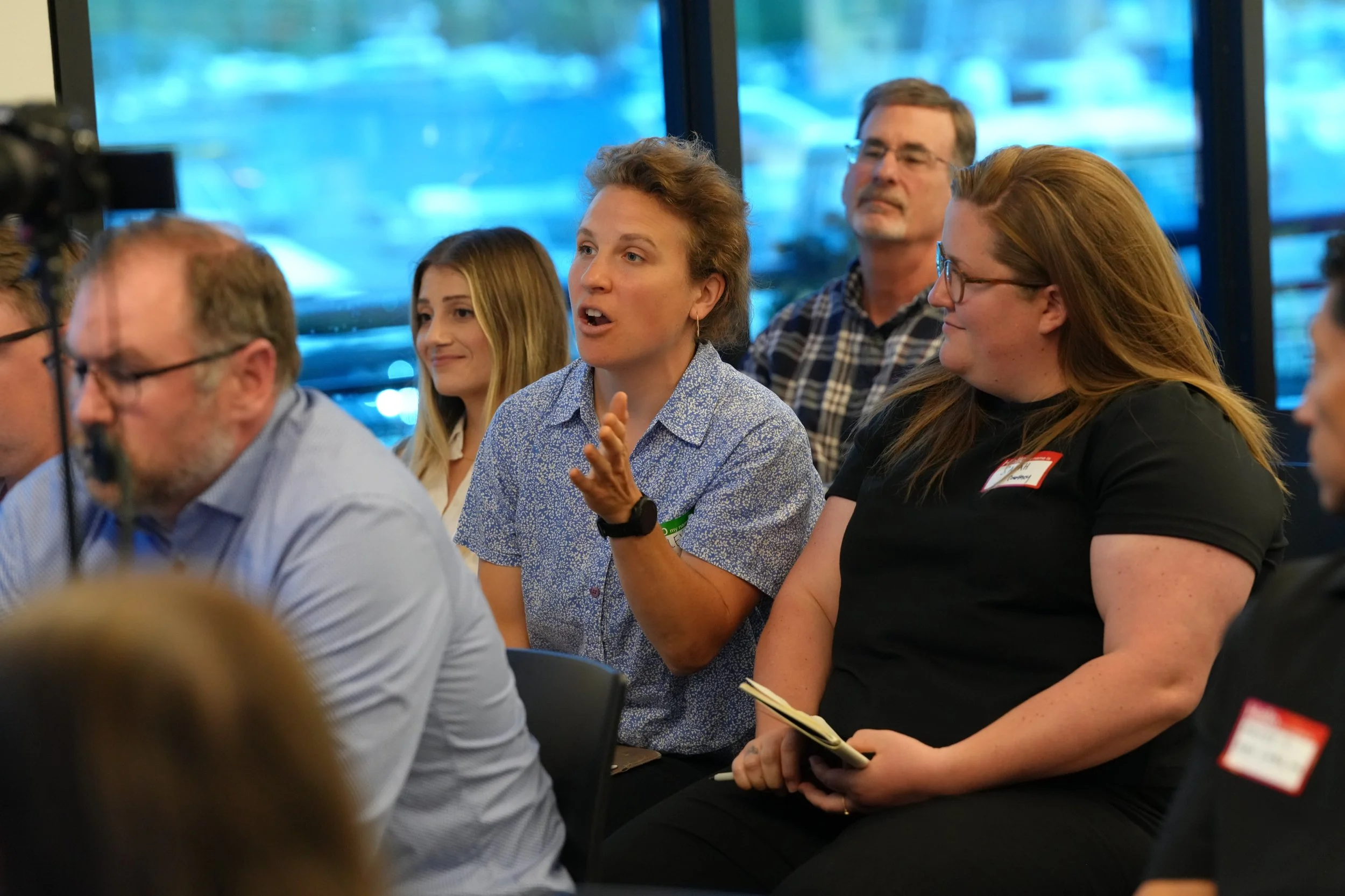

Upstream, where the food comes from
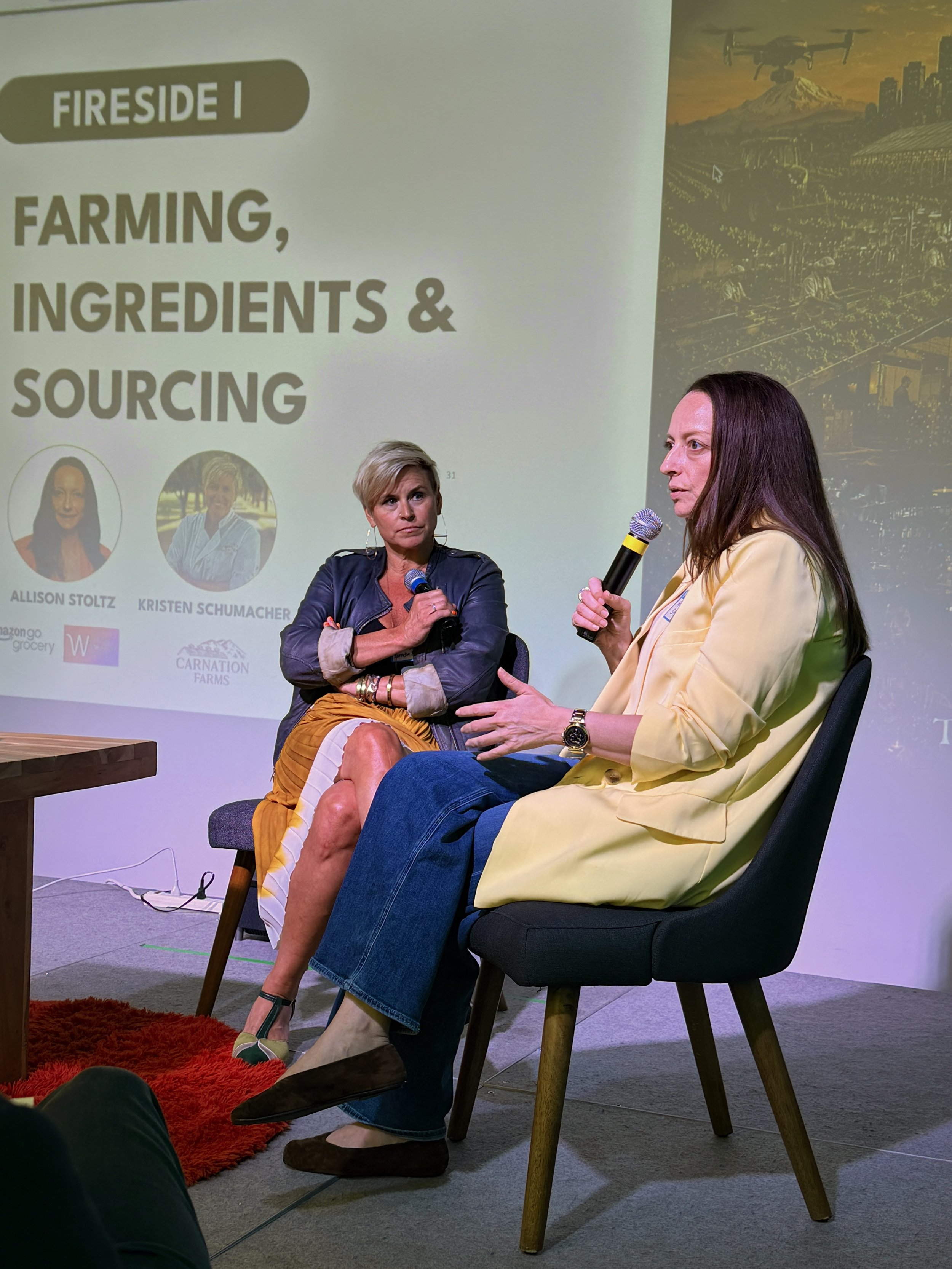
We started at the source. Allison Stoltz helped build Amazon Go, and Chef Kristen Schumacher runs the kitchens at Carnation Farms and works with growers every day, and while they came at the question from opposite ends of the food system, they landed in the same place. The technology that works fits the way people already do their jobs. The technology that fails asks an operator to rebuild their entire workflow around the software, and in a kitchen or on a farm, that is the fastest way to be ignored.
Allison also told a story I have not stopped thinking about. At Amazon Go, the Just Walk Out technology worked exactly as designed, and yet people would stall at the entrance, unsure how it worked, and some of them gave up and walked away before they ever went inside. The technology was flawless and the humans still hesitated, which is a useful reminder that removing every point of friction can also remove the cues people rely on to feel oriented and taken care of. Kristen brought the other half of that truth, the reminder that food is physical, local, and tied to people, and that in a world optimized for convenience and consistency there is real value in staying connected to the product itself.
Operations, and who owns the customer
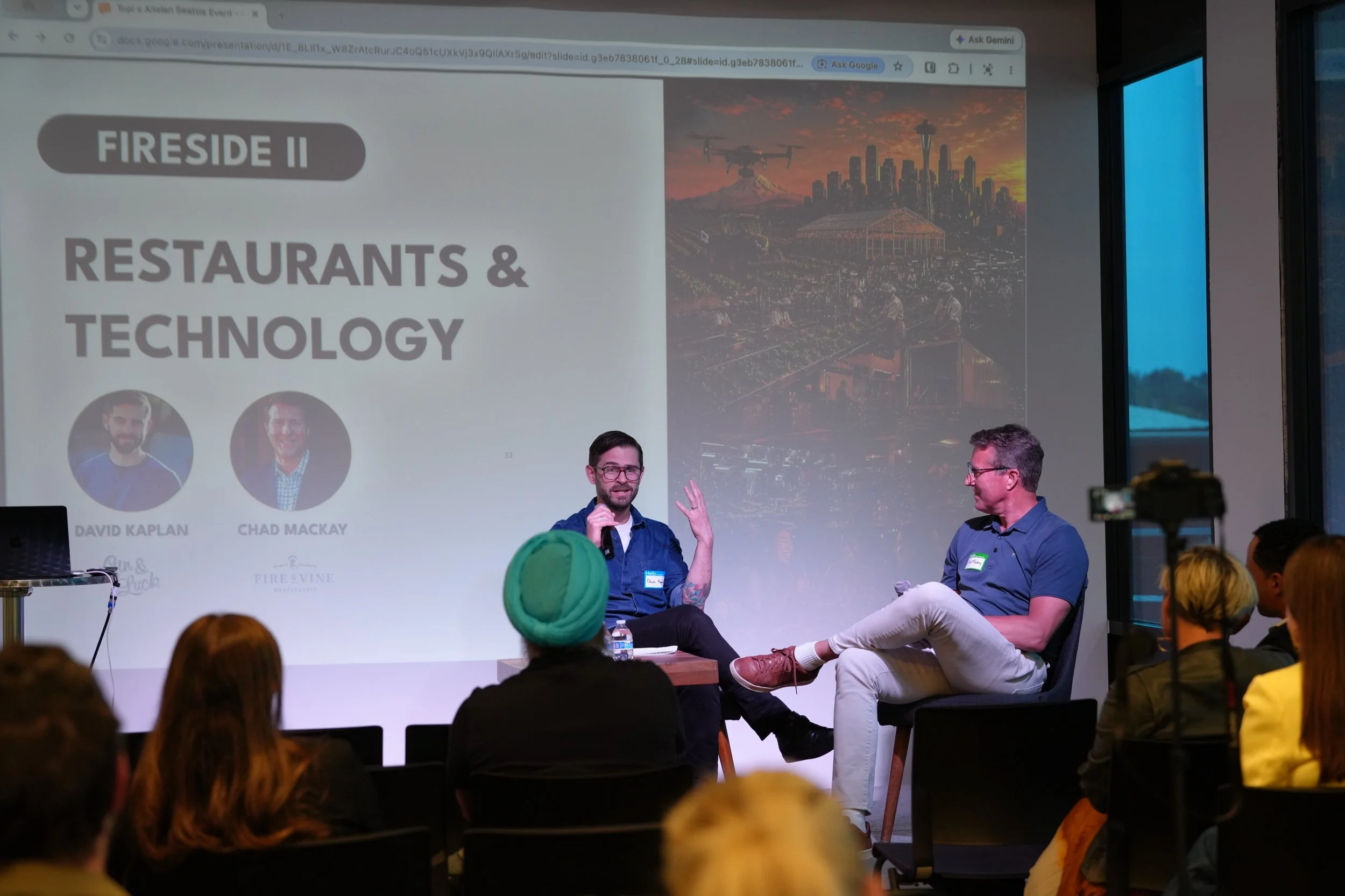
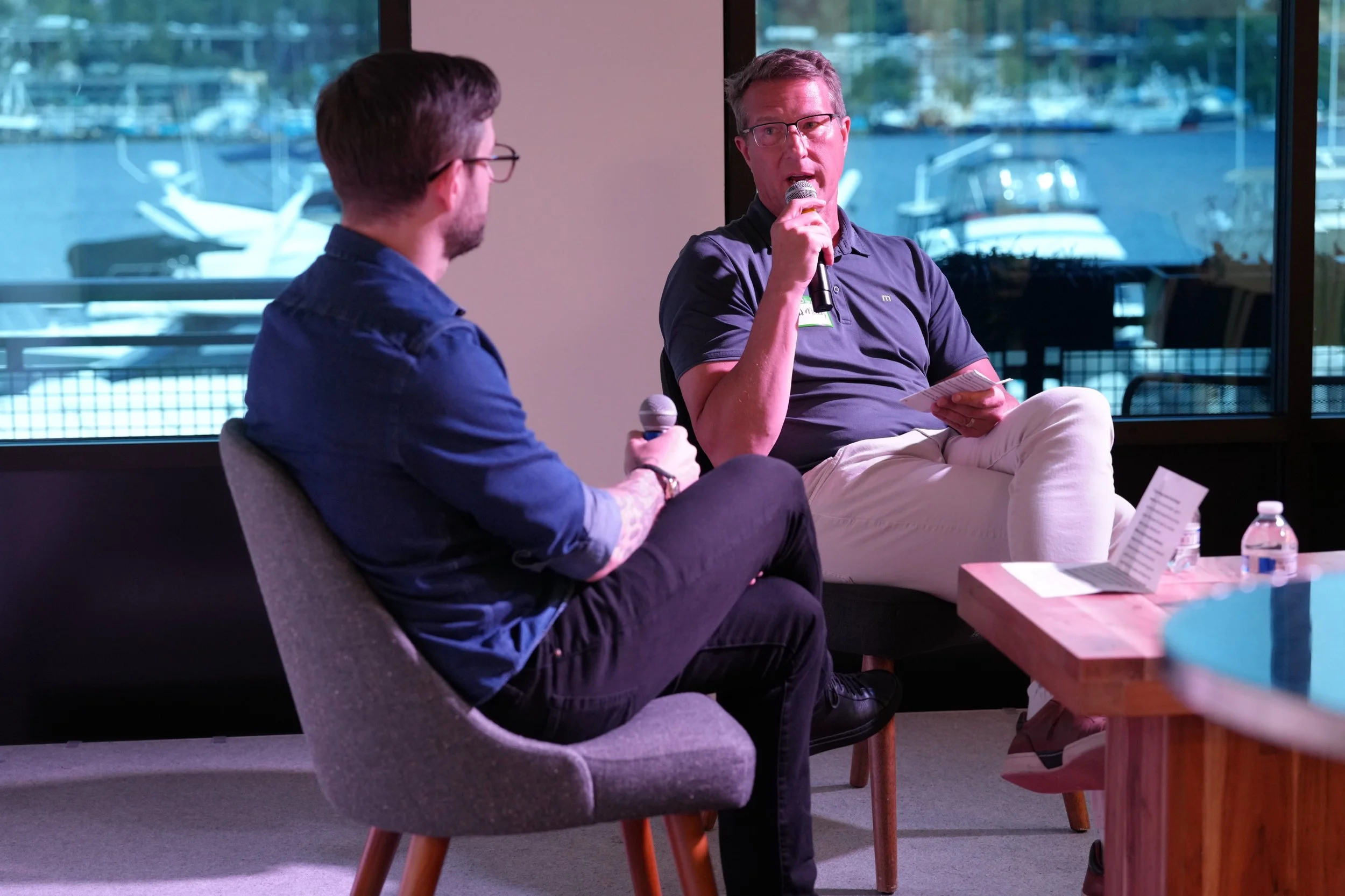
Then we moved to operations, where the economics get personal fast. Chad Mackay of Fire & Vine Hospitality shared that he pays more in credit card processing fees, as a percentage of revenue, than he does for healthcare, dental, and 401(k) combined, which is the kind of number that stops a room. His response over the years has been to take ownership of his customer data wherever he can, rather than letting a platform sit between him and the people who walk through his doors.
David Kaplan of Gin & Luck went a different direction toward the same goal, turning his regulars into shareholders through crowdfunding and raising more than $18 million from over 5,000 investors who are now genuinely invested in the company's success. David made the point that has stayed with everyone who was there: restaurants have to earn their customers every single night, and he asked why so many vendors assume they are exempt from that same standard. It is a fair question, and most technology in this space still does not have a strong answer for it.
Food waste, from opposite ends of the chain
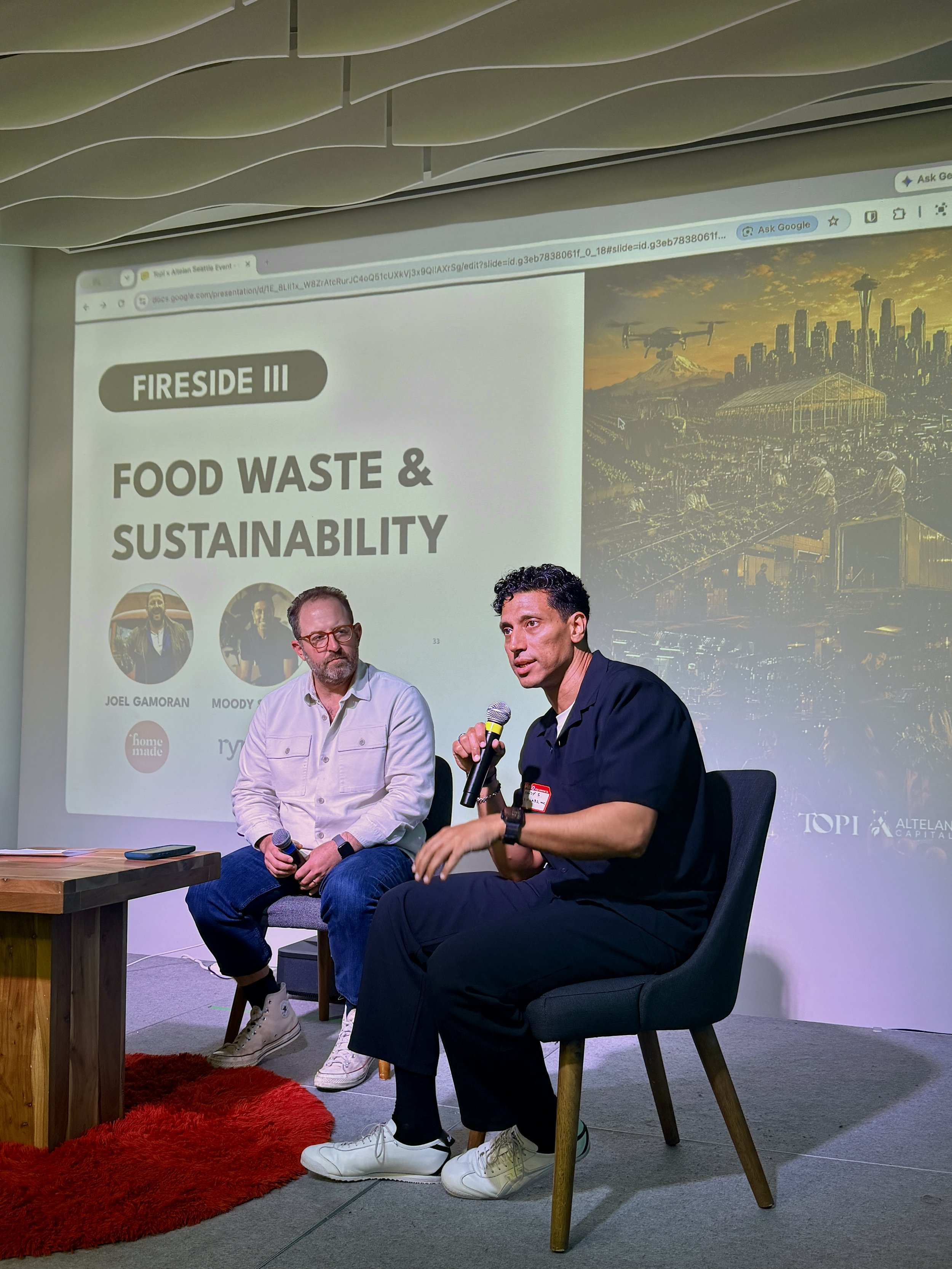
Then food waste, which looks like a completely different problem depending on where you stand. Upstream, Moody Soliman of Ryp Labs is working at the source to extend the shelf life of produce on its way from the farm, and downstream, Joel Gamoran of Homemade is working on it in the kitchen, helping people actually cook what they have already bought. Roughly 40% of food in this country gets wasted, and it disappears at every step in between, folded quietly into the cost of goods where no one really accounts for it. On the question of what actually changes that, both of them landed in the same place: affordability moves people far more than any message about sustainability ever has.
The moment that was not on the agenda
So has technology helped the industry, or everyone around it? Both, honestly. The products worth paying for protect an operator's margin, save them time, reduce their waste, or bring them closer to their guest, and if a product does not do at least one of those things, it is worth asking what it is really for.
But the moment I will remember from the day was not on the agenda at all. During the food waste discussion, Backpack Brigade, a nonprofit that feeds thousands of children, shared that they cannot serve fresh produce because they have no cold storage, and before the conversation had even ended, people in the room were already trading names and offering introductions and ideas to help. No software, no platform, no panel. Just people in a room solving a problem together.
That is the whole reason I keep building these rooms. The conversations about AI and margins and food waste matter enormously, and I want to keep having them, but the thing that has always set this community apart is what happens between the people once they are in the same place. We will keep bringing the right people together, and I cannot wait to see what comes out of the next one.
Thank you to every speaker who showed up and shared so generously, to my co-host Henry Arias, and to everyone who spent the afternoon with us. More soon.
